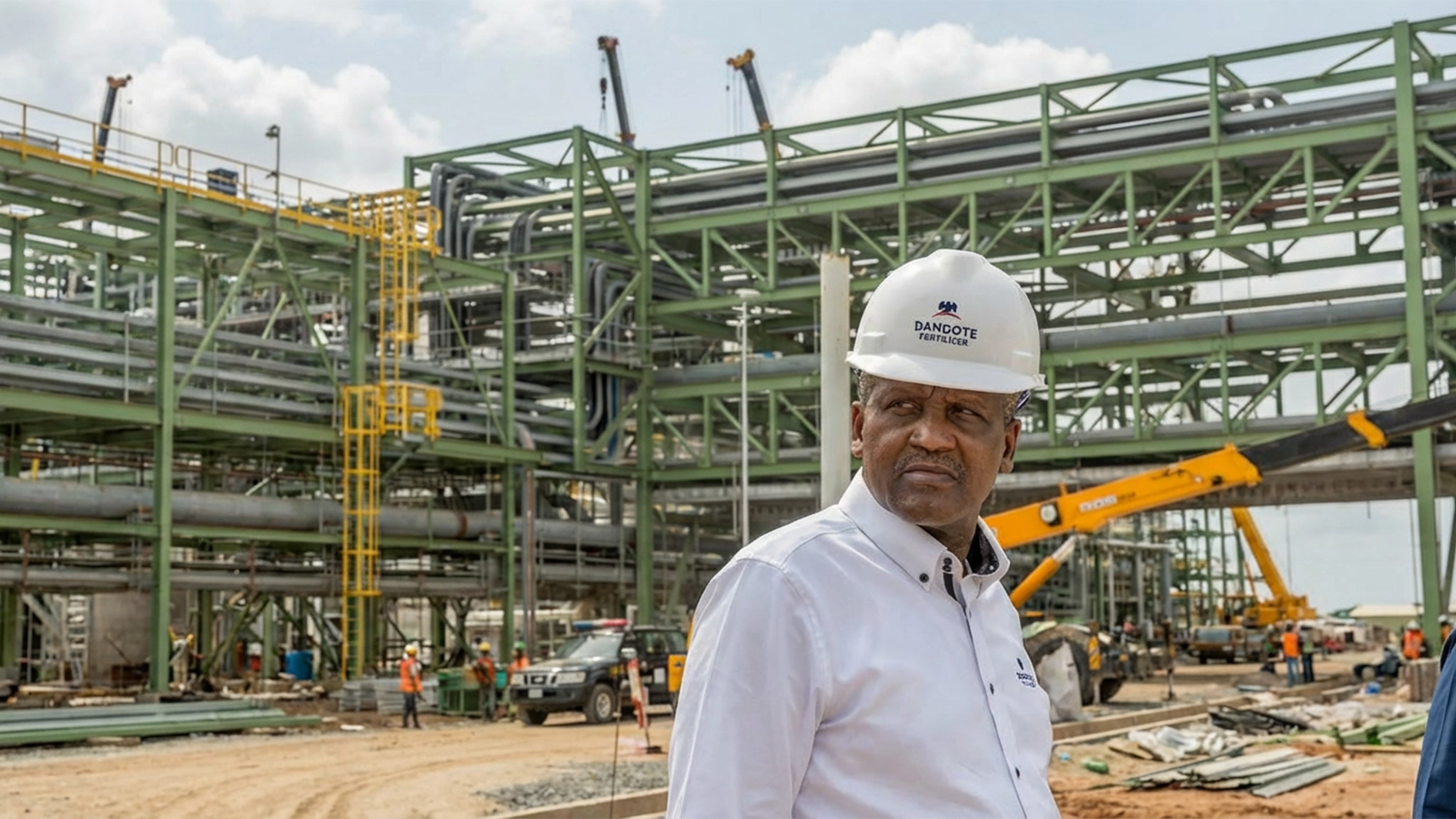
Dangote Petroleum Refinery has resumed selling petrol in naira, ending a brief switch to dollar payments.
The relief, however, comes with a higher cost for marketers and consumers.


In a notice to marketers, the refinery raised its ex-depot price for Premium Motor Spirit (PMS) from ₦1,075 to ₦1,215 per litre. That’s an increase of ₦140, or about 13%.
The new rate took effect immediately on July 22, 2026, and all pending gantry orders will be repriced.
Coastal loading costs also went up, from ₦1,441,575 to ₦1,602,495 per metric tonne.
The refinery said it had to pause naira sales last week because it was struggling to get enough crude oil through the Federal Government’s naira-for-crude deal.
With more crude being sourced from the international market in dollars, Dangote temporarily demanded dollar payments from marketers.
That move froze the market. Many independent marketers couldn’t access enough forex to buy fuel, so they turned to private depots where prices climbed to around ₦1,275 per litre.
Analysts warned that keeping sales in dollars would also put more pressure on Nigeria’s forex market.
With daily petrol consumption estimated at about 50 million litres, marketers would have needed roughly $40 million every day to keep buying under that system.
A senior official noted the refinery had “absorbed a lot” and reached a breaking point on costs, which is why it tried to shift the burden to buyers.
After pushback from marketers and concerns about the naira, the Federal Government stepped in for talks. The result: Dangote has suspended dollar pricing and returned to naira transactions. Discussions on the future of the naira-for-crude arrangement are still ongoing.
While naira sales should restore normal loading and ease supply shortages seen last week, the ₦140 hike at the depot level will likely push pump prices higher.
Fuel was already selling for up to ₦1,300 per litre in parts of Lagos and other states on Wednesday, driven by the higher depot costs and elevated global crude prices amid tensions in the Middle East.
Unless competition among marketers increases or crude prices drop, Nigerians should prepare for another round of higher prices at the pump.