Senegal is set to make history in 100 days when the Youth Olympic Games begin in Dakar, marking the first time an Olympic event will be held on African soil.
The Dakar 2026 Games, scheduled to run from October 31, will bring together about 2,700 young athletes competing in 25 sports across venues in Dakar, Diamniadio and Saly.

The event is regarded as a landmark moment for the continent, which has produced numerous Olympic champions in athletics, football, boxing and other sports but has never hosted an Olympic competition.
“It is monumental,” International Olympic Committee official Christophe Dubi told BBC Sport Africa.
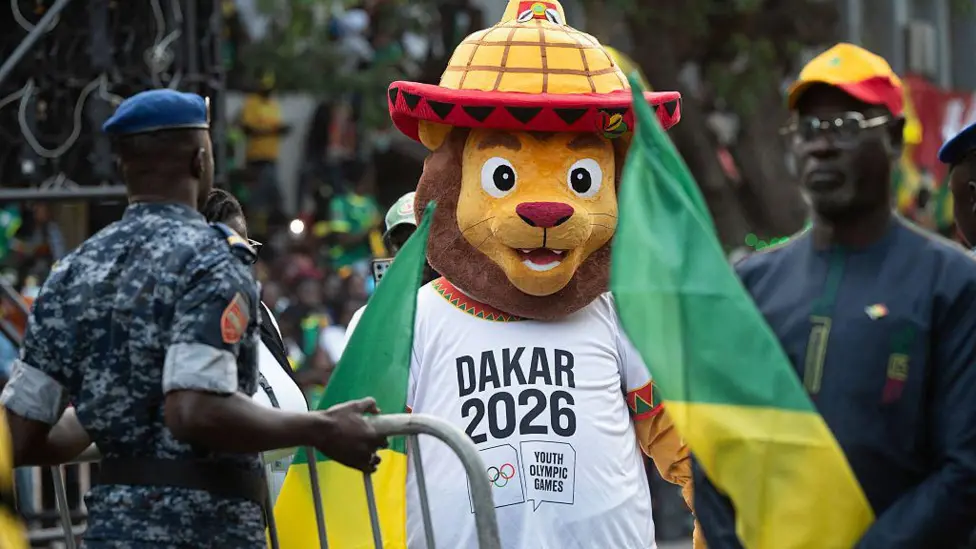
“Africa has hosted many international competitions, but this is the first time we have anything labelled with the Olympic rings. The entire continent will be celebrating with Dakar hosting.”
Dakar was selected as the host city in October 2018, with the Games originally scheduled for 2022. However, the event was postponed because of the COVID-19 pandemic.
Organisers say preparations are progressing as planned, with Senegal determined to showcase Africa’s ability to successfully host major international sporting events.
Thierno Cisse, deputy chief operating officer of the Local Organising Committee, said the country understood the significance of being the first African host of an Olympic event.
“We know we are going to be ambassadors for Africa during this period,” Cisse said.
“It’s really important for us as a country to proudly represent the whole continent and show that Africa has high standards.”
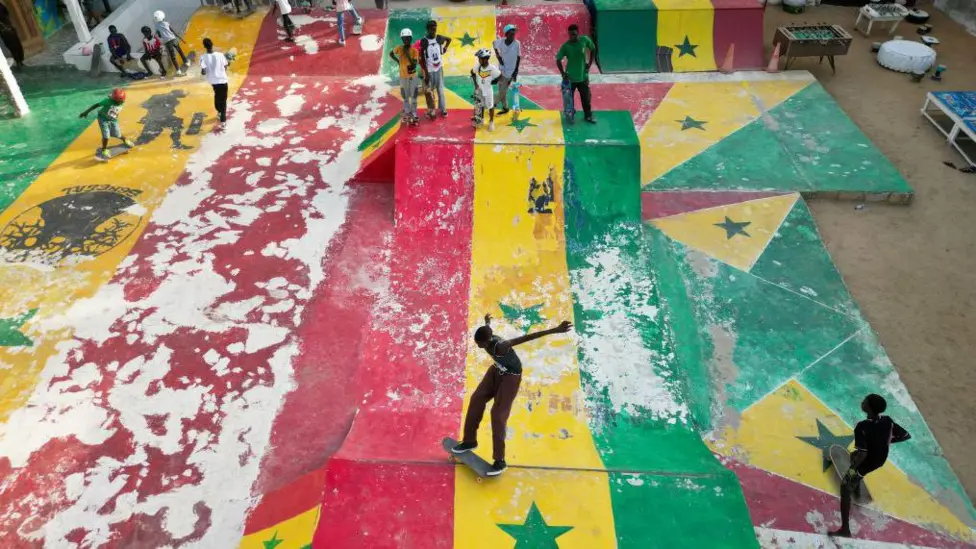
The Games are also expected to highlight some of the challenges facing young Africans, particularly unemployment. According to Senegal’s statistics and demographics agency, more than 27 per cent of people aged between 15 and 34 are unemployed.
Local residents hope the event will create employment opportunities and draw attention to the difficulties confronting young people, including the growing crisis of irregular migration.
Organisers have placed a strong emphasis on legacy, with efforts focused on improving existing sporting facilities rather than constructing venues that could become underused after the Games.
The programme will feature 25 competitive sports, alongside 10 engagement sports designed to encourage participation among local youths.
More than 400 young Africans are also expected to receive training in areas including event operations, logistics, technology, accreditation and venue management. Youth volunteers from more than 30 countries are participating in the preparations.
Dakar 2026 will also feature a youth refugee team, continuing an initiative first introduced at the 2016 Olympic Games in Rio de Janeiro. Selected young refugee athletes will receive education and wellbeing support alongside their participation in the Games.
The event has attracted several high-profile ambassadors, including Senegal football captain Kalidou Koulibaly, social media personality Khaby Lame and French actor Omar Sy. The IOC has also appointed 31 athlete role models to mentor participants.
Concerns remain over the cost of hosting the Games. Senegal reportedly spent about $270 million on the Abdoulaye Wade Stadium in Diamniadio, which will host the opening ceremony, while the country’s sports ministry has estimated that organising the Games could cost around $60 million.
However, organisers insist the success of Dakar 2026 will ultimately be measured by its long-term impact on sport and young people across Africa.
The Games will take place during the tenure of Kirsty Coventry, who became the first woman and first African to serve as IOC president last year. Coventry previously chaired the coordination commission for the Dakar Games.
Organisers hope the historic event will strengthen Africa’s position within the Olympic movement, inspire a new generation of athletes and leave a lasting sporting and social legacy beyond Senegal.
“It’s not only about sport. People will be amazed by what they will see. It’s the energy,” Dubi said.