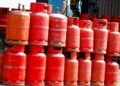
A two-month-old fuel blockade imposed by al Qaeda-linked militants has crippled Mali’s capital, Bamako, putting immense pressure on the military government and raising concerns about the country’s stability.
The blockade, enforced by Jama’at Nusrat al-Islam wal-Muslimin (JNIM), has halted fuel imports, causing widespread shortages and disrupting daily life. JNIM’s strategy aims to starve Bamako of fuel, forcing schools to shut and depriving businesses of diesel-generated electricity.


The group’s likely goal is to trigger another coup, further depriving the country of a viable power center and allowing JNIM to amass more weapons and funds.
Security analysts warn that the risk of a regime collapse is high, with potentially devastating consequences for the region.
The blockade has severe humanitarian implications, with hundreds of thousands displaced and millions affected. JNIM’s tactics have been brutal, imposing travel restrictions, enforcing hijab on women, and meting out extrajudicial executions.
The group’s brief occupations of towns and villages paint a grim picture of restricted movement, curtailed education, and severe curbs on human rights.
The crisis in Mali has significant regional implications, with neighboring countries Burkina Faso and Niger also vulnerable to JNIM’s expansion.
The three countries’ political and security alliance hangs in the balance, and a collapse in Mali could have far-reaching consequences. As JNIM continues to tighten its grip, the future of Mali remains uncertain.
The group’s long-term goals include establishing an Islamic state in Mali and the Sahel, expelling foreign forces, and imposing Sharia law.
With foreign embassies warning citizens to leave the country, the international community watches anxiously as the situation unfolds.