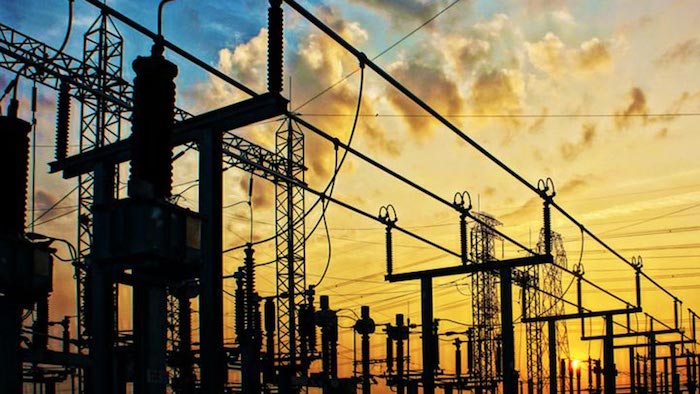
Nigeria was thrown into darkness on Tuesday following another collapse of the national electricity grid, marking the second system failure in less than one week and deepening concerns over the stability of the country’s power infrastructure.
Real-time data from the Nigerian Independent System Operator (NISO) showed that power allocation to all 11 electricity distribution companies (DisCos) dropped to zero megawatts at about 11:00 a.m., indicating a total grid disturbance.

The affected DisCos include Benin, Eko, Enugu, Ikeja, Jos, Kaduna, Kano, Port Harcourt, Ibadan, Abuja, and Yola, cutting electricity supply to millions of households and businesses across the country.
The latest incident comes barely four days after a similar collapse on Friday, January 23, 2026, which was the first grid failure recorded this year. The repeated breakdowns highlight persistent operational weaknesses within Nigeria’s electricity transmission network, despite official assurances of ongoing improvements.
Over the years, the national grid has experienced frequent system disturbances and collapses, often resulting in nationwide outages that disrupt economic activities and daily life. Successive governments have pledged to strengthen the grid through infrastructure upgrades, improved maintenance, and increased investment, but challenges remain.
Only recently, the Niger Delta Power Holding Company (NDPHC) announced that it had restored an additional 450 megawatts to the national grid after completing maintenance works at the Geregu National Integrated Power Project (NIPP) plant. The development was expected to boost grid capacity and enhance system stability.
However, Tuesday’s collapse suggests that the impact of the additional generation capacity has been limited or insufficient to prevent widespread system failures. Energy sector analysts note that while generation improvements are important, weaknesses in transmission infrastructure, aging equipment, and operational inefficiencies continue to undermine overall grid performance.
The latest blackout is reminiscent of the major system disturbance recorded in December 2025 and reinforces long-standing concerns about the reliability of Nigeria’s electricity supply.
As of the time of filing this report, power sector authorities had yet to issue an official statement explaining the cause of the disturbance or providing a timeline for restoration. Consumers, meanwhile, have been forced to rely once again on alternative power sources, including generators and inverters, increasing operating costs for businesses and households.
The recurring grid collapses are expected to intensify calls for accelerated reforms, increased private sector participation, and urgent investments in transmission infrastructure to ensure a more resilient and reliable power system.