A Nigerian court has ordered the British government to pay $27 million (£20 million) in compensation to each of the families of 21 coal miners who were killed by colonial authorities in 1949 in south-eastern Nigeria.
The ruling, delivered by Justice Anthony Onovo of the Enugu High Court, declared the killings unlawful and an extrajudicial violation of the victims’ right to life, according to the News Agency of Nigeria (NAN). The court held that the British government bears responsibility for the actions of the colonial administration and must make reparations to the affected families.


The miners were shot dead by colonial police—made up of Nigerian and European officers—while protesting harsh working conditions, racial wage disparities and unpaid arrears at the Iva Valley coal mine in Enugu. Dozens of other workers were injured during the incident, which historians describe as one of the most notorious acts of repression under British rule in Nigeria.
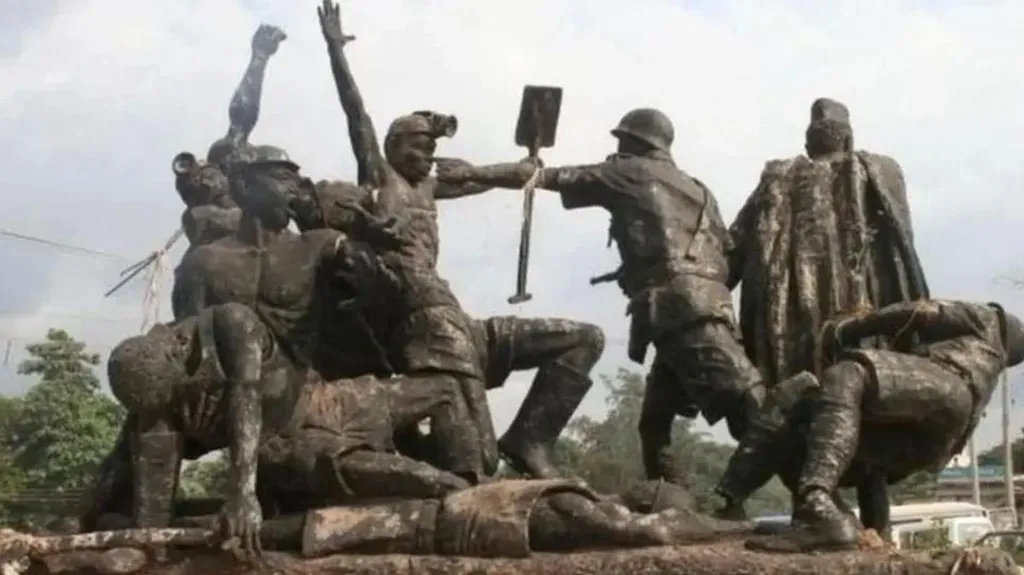
Justice Onovo said the miners posed no violent threat at the time of the shooting, noting that they were peacefully demanding improved working conditions. “These defenceless coal miners were not embarking on any violent action against the authorities, yet they were shot and killed,” he said.
When negotiations failed, the workers reportedly adopted a “go-slow” protest and occupied the mine to prevent management from shutting it down. The massacre occurred on November 18, 1949, when Enugu was the administrative capital of Nigeria’s Eastern Region.
The case was filed by human rights activist Mazi Greg Onoh, who named both the British and Nigerian governments as respondents. Counsel to the applicants, Professor Yemi Akinseye-George, described the judgment as a landmark decision in the quest for historical justice, stressing that the right to life transcends time and changes in sovereignty.
Historians say the killings helped galvanise Nigeria’s anti-colonial movement, which culminated in independence in 1960. Historian Damola Adebowale described the massacre as a “trigger point” that intensified calls for the end of colonial rule.
An official inquiry conducted at the time defended the police action, claiming officers feared being overwhelmed, but it also criticised colonial authorities for mishandling the situation. Today, the slain miners are widely regarded as heroes in the region.
The British Foreign Office has yet to respond to requests for comment on the ruling.