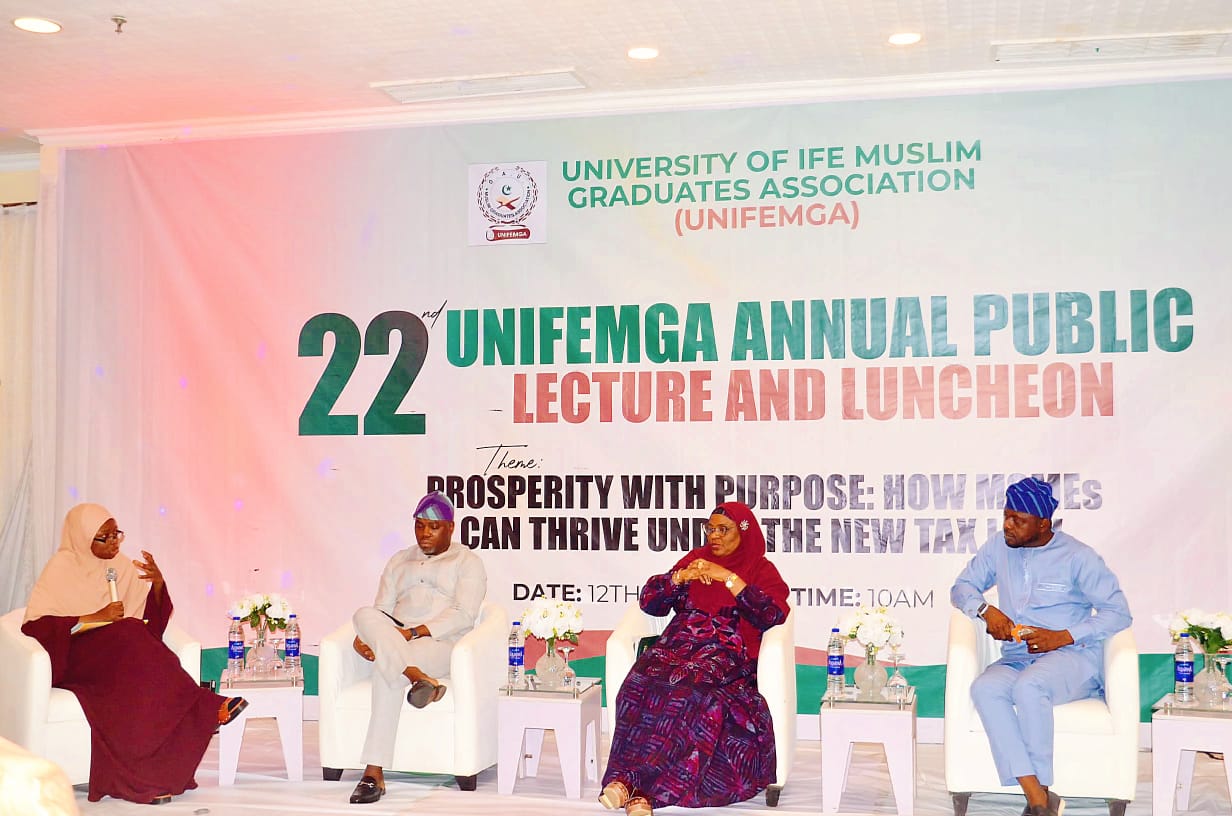
Nigeria’s newly enacted tax law took center stage at the 22nd Annual Public Lecture and Luncheon of the Obafemi Awolowo University Muslim Graduates’ Association (UNIFEMGA), Lagos State Chapter, where stakeholders described it as a pivotal shift toward inclusive growth for small businesses and financial relief for low-income households.
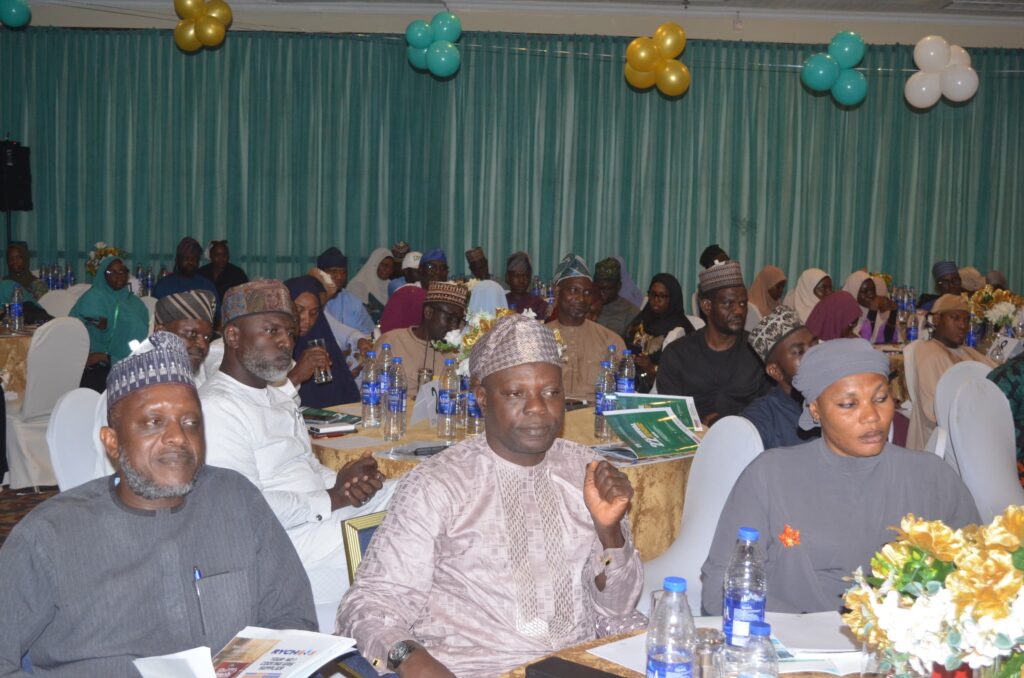
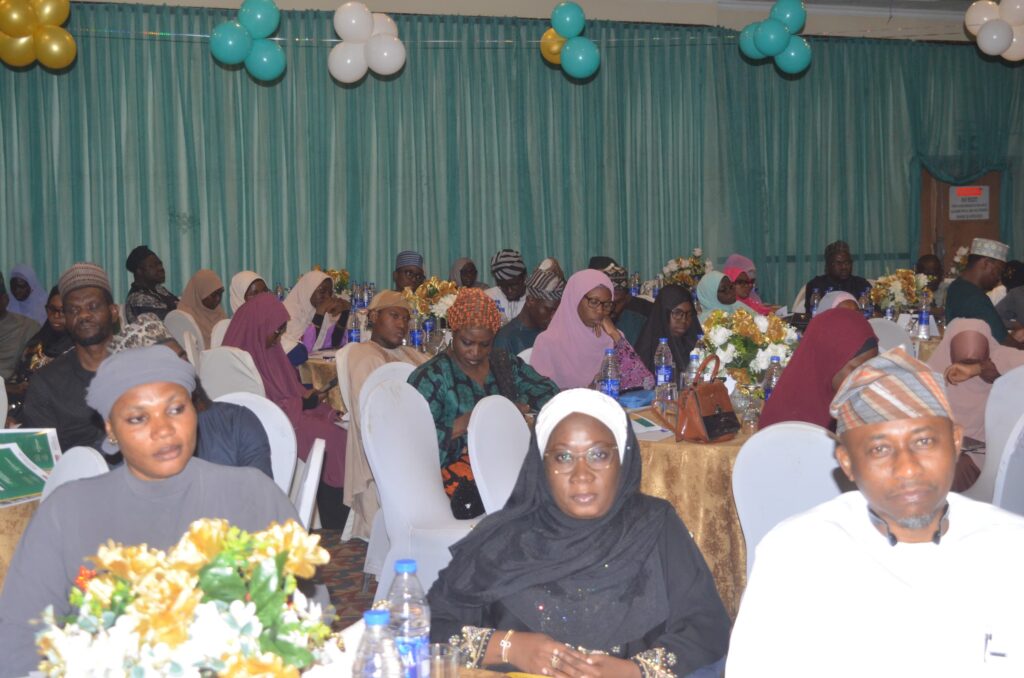
Held on Sunday, April 12, 2026, at Sheraton Hotel, Ikeja, the event themed “Prosperity with Purpose: How MSMEs Can Thrive Under the New Tax Law” drew alumni of the University of Ife from across generations, alongside UNIFEMGA delegates from Nigeria and the diaspora.



Building institutions, not just businesses
In his keynote, Deloitte West Africa CEO Fatai Folarin called on the Muslim Ummah to pursue structured, institution-led economic development rather than remain locked in survival-mode entrepreneurship.
“We cannot continue to remain MSMEs as a permanent status. Small businesses should serve as a starting point for bigger, scalable enterprises,” he said.
Folarin argued that real prosperity means creating entities that outlive their founders.

“For me, prosperity is about growing institutions and leaving them stronger than we met them,” he noted, urging a shift from complaints to productivity. “We complain too much in the Muslim Ummah. We need to stop complaining and start building.”

He added that the new tax framework tilts favorably toward smaller firms by transferring more obligations to high-income earners, giving MSMEs room to formalize and scale.
A first-of-its-kind comprehensive framework
During the panel session, Abimbola Abdurrahman Lekki, Assistant Director and Head of Research at the Lagos State Internal Revenue Service, traced the evolution of Nigeria’s tax regime from the 1961 laws through the 2004 military-era decree and the 2011 Personal Income Tax Act.
She said the 2026 reform marks the first time the system comprehensively touches food, health, education, housing, and medical services.
“This is the first time we are having a comprehensive tax system that touches on virtually every aspect of Nigerians’ lives,” she explained.
The law, she said, is deliberately pro-poor: individuals earning below ₦800,000 annually are exempt from personal income tax, while businesses earning under ₦100 million annually are exempt from corporate income tax. “If you earn above ₦25 million annually, you will feel the impact more. If you earn less, you will have more disposable income.”
Lekki stressed that formalization is the gateway to benefits. “If you are willing to put structure in your business, you can access government incentives and grants,” she said, urging entrepreneurs to separate personal and business finances, file properly, and incorporate. “Think bigger so you can go bigger.”
Prosperity anchored in purpose
UNIFEMGA Lagos Chairman Saheed Olanrewaju Bashiru framed the discussion around values, telling attendees that “prosperity without purpose is hollow, but prosperity anchored in Islamic values becomes a source of barakah.” He described MSMEs as the engine of jobs and innovation, and said the goal is to help them “prosper with clarity and integrity.”
Board of Trustees Chairman Rafiu Adisa Ebiti called the law a progressive step that promotes uniformity between federal and state systems. “If you need to grow, you have to start small. MSMEs are the business units to focus on,” he said.
Compliance, formalization, and correct information
Nigerian Economic Summit Group Chairman Niyi Yusuf, who chaired the occasion, reminded participants that tax compliance is both a civic and religious duty. “We all know that two things are certain in life: death and taxes. As Muslims, we must comply with the laws of Allah and the laws of the land,” he said.
He reiterated the thresholds for exemption and emphasized that incorporation opens doors to grants and credit.
Summit University Offa Vice-Chancellor Abiodun Musa Aibinu warned against misinformation around taxation, calling it an “infodemic.” He stressed that taxes fund infrastructure but urged authorities not to overburden citizens.
The takeaway
Across speakers, the message was consistent: the new tax law shifts burden upward, rewards structure, and gives MSMEs a clearer path to scale—if they formalize, separate personal and business accounts, and tap available incentives.
For low and middle-income earners, the exemptions promise more disposable income. For entrepreneurs, the challenge is to move beyond subsistence thinking.
As one panelist put it, the reform is “largely pro-poor.” The next step, stakeholders agreed, is ensuring business owners have the knowledge and discipline to use it.