Fifteen migrants have arrived in the Democratic Republic of the Congo after being expelled from the United States as part of an ongoing immigration crackdown, the United Nations confirmed on Friday.
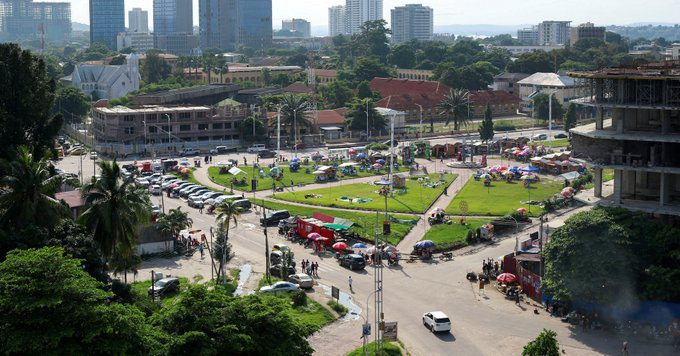
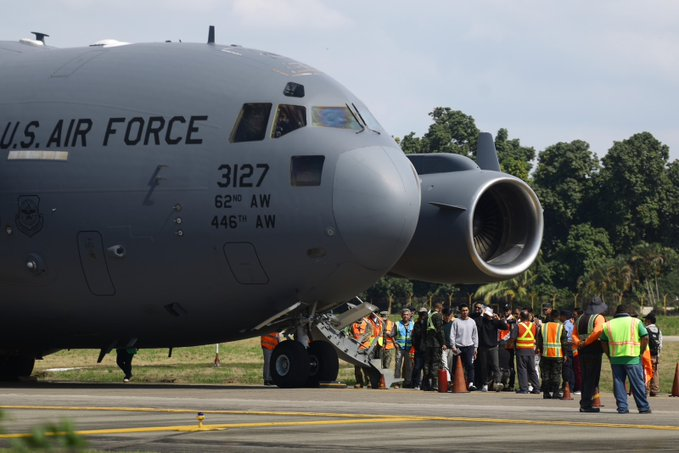
The group, comprising seven women and eight men, landed late Thursday night at Ndjili Airport in Kinshasa. A source close to the Congolese presidency said the migrants are originally from Peru and Ecuador, marking the first arrivals under a new agreement between Washington and Kinshasa.


The International Organization for Migration (IOM) said it had been asked by the Congolese government to provide humanitarian support to the deportees.
“IOM has been requested by the government of the DRC to provide humanitarian assistance to 15 migrants removed by the United States to the DRC on April 17,” an agency spokesman said, adding that assistance would be based on individual needs. The agency may also facilitate voluntary return for those who request it.
Sources indicated that more deportees are expected to arrive in Kinshasa in batches of about 50 per month, although the total number remains unclear.
The arrangement is part of a broader strategy by Washington to relocate migrants to third countries before returning them to their nations of origin. Similar deportations have previously been carried out to countries including Equatorial Guinea, Ghana, Rwanda, South Sudan, Cameroon, and Eswatini.
The deal with the DRC reportedly follows broader cooperation between both countries, including U.S. interest in accessing Congo’s vast mineral resources and diplomatic efforts to address the long-running conflict in eastern regions of the country.
However, Congolese authorities have yet to officially confirm the arrival of the migrants.
The agreement has drawn criticism locally, with Albert Malukisa of the Ebuteli think tank describing the process as lacking transparency.
“The announcement came as a surprise,” he said, questioning what the DRC stands to gain financially from the arrangement.
Earlier in April, the Congolese government announced plans for a temporary reception system for migrants under the agreement, noting that logistical and technical support would be provided by the U.S. government, with no direct cost to the national treasury.
Security presence was observed on Friday near one of the proposed reception sites close to Kinshasa airport.
Rights groups have also raised concerns. Human Rights Watch warned that such deportation arrangements, often described as “opaque deals,” could violate international law and should be reconsidered.