The Federal Government has dismissed recent media reports and commentaries interpreting the latest World Bank Nigeria Development Update (NDU), saying claims of “diverted” or “hidden” federation revenue are inaccurate.
In a statement issued on Sunday, the Minister of State for Finance, Taiwo Oyedele, said such interpretations misrepresent the World Bank’s findings and reflect a misunderstanding of Nigeria’s fiscal structure.

The World Bank report had highlighted that over ₦34.53 trillion was deducted from federation revenue between 2023 and 2025 through pre-distribution charges, representing about 41 per cent of total earnings. Despite total revenue rising to about ₦84 trillion within the period, the deductions significantly reduced funds available for sharing among federal, state, and local governments.
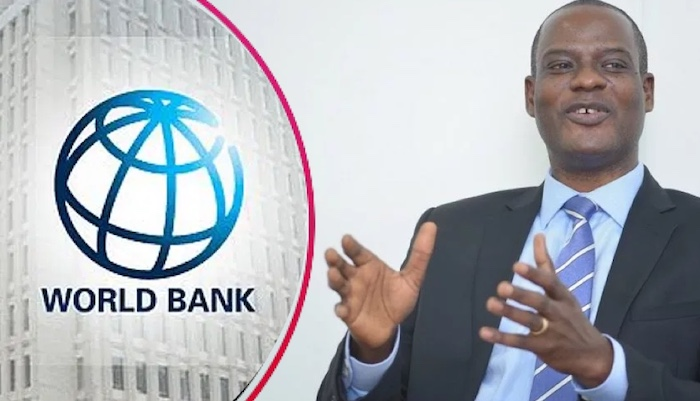
The global institution noted that while reforms such as fuel subsidy removal and foreign exchange adjustments boosted revenues, increased deductions—classified as “first-line charges”—offset much of the gains.
Following the report, organisations including ActionAid Nigeria called for a forensic audit of the country’s revenue management system, citing concerns over transparency and fiscal accountability.
Also reacting, former presidential candidate Peter Obi expressed concern over what he described as significant revenue leakages, warning that such trends could undermine development in critical sectors.
However, Oyedele rejected claims that the deductions amounted to waste or missing funds, explaining that they include legitimate fiscal obligations such as statutory transfers, cost-of-collection charges, security-related spending, refunds to Ministries, Departments and Agencies, as well as interventions benefiting subnational governments.
“It is important to emphasise that refunds and transfers to states and other tiers of government are not leakages,” he said, noting that they represent lawful and structured financial flows.
He added that critics had selectively interpreted the report while ignoring ongoing reforms aimed at improving transparency and boosting distributable revenue. According to him, measures introduced in 2026—including an executive order on petroleum revenue remittance—are already addressing concerns and are expected to increase available revenue by about 0.4 per cent of GDP annually.
The minister stressed that the broader message of the World Bank report remains positive, pointing to improving economic growth, declining inflation, stronger external reserves, and better debt indicators.
He reaffirmed the government’s commitment to fiscal transparency, enhanced revenue mobilisation, and efficient public spending, urging stakeholders and the media to avoid misinterpretations that could undermine ongoing reforms and public confidence in the economy.