The Nigeria Democratic Congress (NDC) has zoned its 2027 presidential ticket to the southern region of the country, as the party moves to consolidate its growing political base ahead of the next general election.
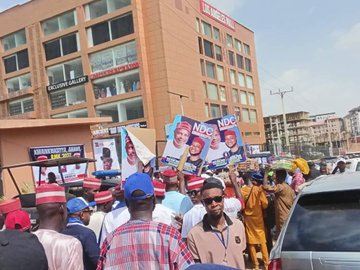
The decision was reached during the party’s national convention currently taking place in Abuja, where key leaders, including Peter Obi, Rabiu Kwankwaso and other senior members, are in attendance.

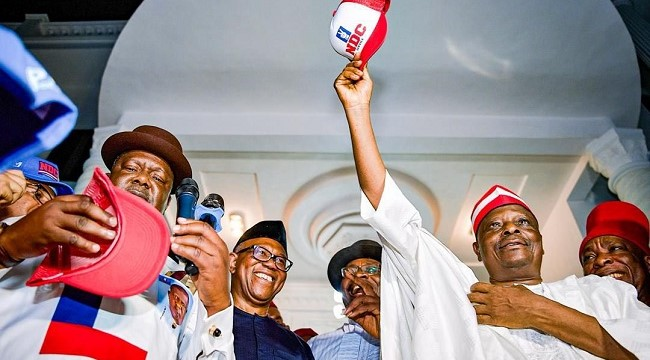
According to the convention agenda, delegates are expected to deliberate on zoning arrangements, ratify amendments to the party constitution, and elect new national officers to steer the party’s affairs.
The zoning decision is one of several major resolutions expected to shape the NDC’s structure following a wave of recent defections into the party.
In recent weeks, the party has recorded a significant influx of politicians from other political platforms, including the African Democratic Congress (ADC) and the Peoples Democratic Party (PDP).
Earlier in the week, 17 members of the House of Representatives formally defected from the ADC to the NDC, a move announced on the floor of the House during plenary.
The lawmakers include Yusuf Datti, Uchenna Okonkwo, Adamu Wakili, Thaddeus Attah, George Ozodinobi, Lilian Orogbu, Oluwaseyi Sowunmi, Peter Aniekwe, Mukhtar Zakari, George Oluwande, and Munachim Umezuruike, among others.
Their defection followed the recent move by Obi and Kwankwaso, who also officially joined the NDC from the ADC after receiving their party membership cards at the party secretariat in Abuja.
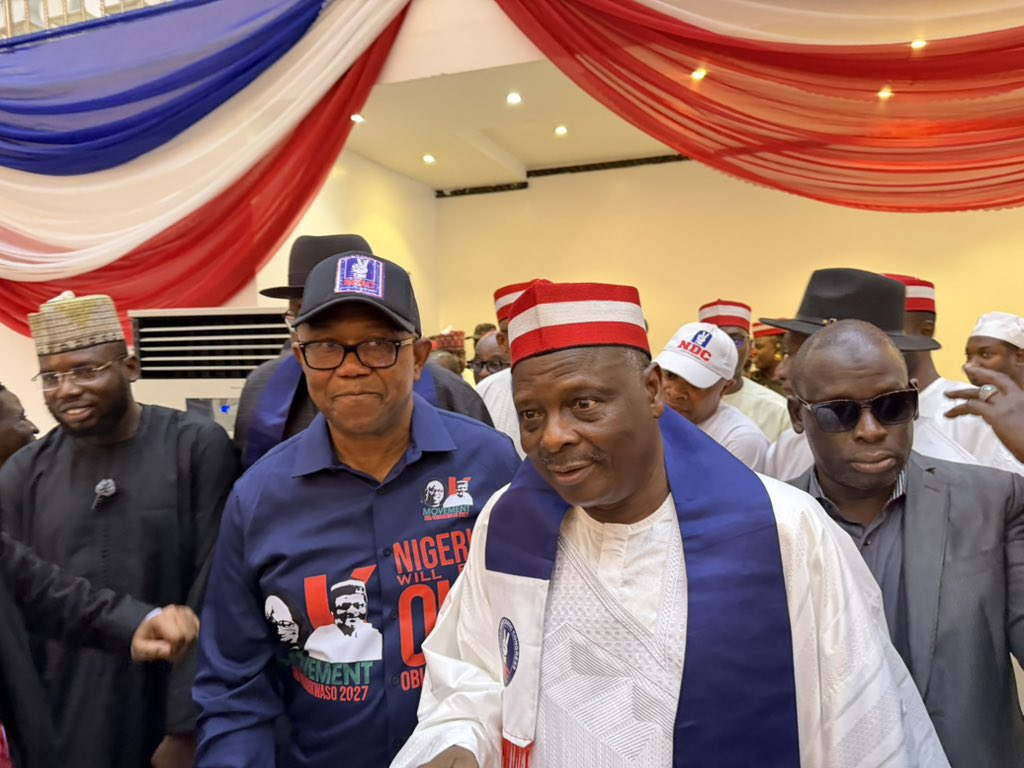
The two opposition figures were received by former Bayelsa State Governor and NDC national leader, Senator Seriake Dickson, amid celebrations by supporters.
Obi, the 2023 presidential candidate of the Labour Party, and Kwankwaso, a former presidential candidate of the New Nigeria People’s Party (NNPP), had both previously defected to the ADC before joining the NDC.
Speaking on his exit from the ADC, Obi cited internal party crises, political interference, and rising tensions within party structures as key reasons for his decision.
He also described the current political environment in the country as increasingly hostile, noting that insecurity, intimidation, and scrutiny have made the space more difficult for genuine political engagement.