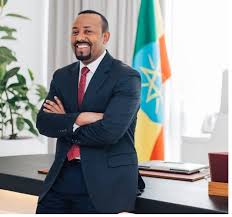
Ethiopians headed to the polls Monday for parliamentary and regional elections that are expected to deliver another decisive win for Prime Minister Abiy Ahmed’s Prosperity Party.
Over 50 million voters registered, but voting won’t happen in Tigray and at least eight constituencies in Amhara due to ongoing conflict. Election officials cited “unfavourable conditions” in Tigray after the 2020-2022 civil war, and insecurity from the Fano militia in Amhara.


Abiy cast his ballot in Beshasha, Oromiya, and framed the vote as proof Ethiopia can build democracy without outside advice. “These next five years will be historic turning points,” he said. His party is campaigning on 10%+ economic growth projected for 2026 and better food security.
The African Union observer mission, led by ex-Kenyan President Uhuru Kenyatta, said voting was “progressing smoothly.” But the contest looks lopsided. Abiy’s Prosperity Party won 410 of 484 parliamentary seats in 2021, and this time faces a fragmented opposition weakened by rivalries and government crackdowns. Opposition groups accuse authorities of arrests and legal barriers, which the government denies.
Insurgencies still shadow the vote. In Oromiya, clashes with the Oromo Liberation Army have killed hundreds. In Amhara, Fano fighters control large rural areas. Tigray remains tense after its main party moved to retake the regional administration last month, raising fears of renewed unrest despite the 2022 peace deal.
Abiy, who won the 2019 Nobel Peace Prize for making peace with Eritrea, now faces renewed tensions with Asmara over his push for Ethiopia to regain sea access. His government also denies accusations of reversing earlier reforms by detaining journalists and restricting civil society.
Results are expected by June 11. Reuters has not had accredited journalists in Addis Ababa since mid-February.