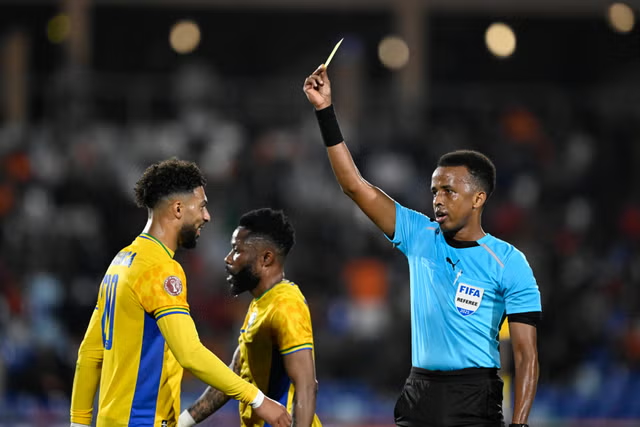
Somalian referee Omar Abdulkadir Artan will no longer officiate at the FIFA World Cup after being denied entry into the United States over security concerns raised by US authorities.
Artan, who was named Africa’s Referee of the Year in 2025 and was set to become Somalia’s first official at a World Cup, was refused entry by US Customs and Border Protection (CBP) upon arrival in Miami from Istanbul over the weekend.
The decision has sparked controversy, with the Trump administration stating that the referee was deemed a national security risk due to alleged links to individuals suspected of belonging to terrorist organisations.
According to a US administration official, CBP officers uncovered “derogatory information, including association with suspected members of terror organizations” during additional screening procedures.
“President Trump’s administration will not allow any security threat to enter our country, full stop,” the official said.
CBP Commissioner Rodney Scott defended the decision, insisting that immigration laws apply equally to all travellers regardless of their profession.
“I don’t really care what you do for a living. The law is still the law,” Scott said during an event in Washington. “If you don’t meet the qualifications to come into the country, we’re not letting you in just because we want you to referee a game.”
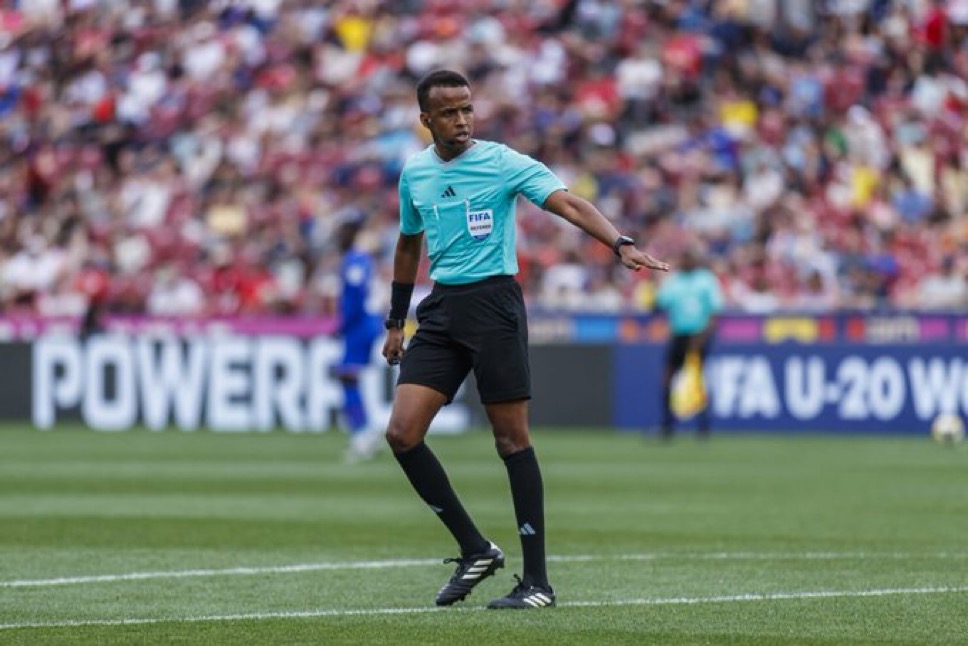
Artan revealed that he underwent an 11-hour immigration interview before being denied entry, describing the outcome as heartbreaking.
“I am very, very disappointed. I’m just simply a referee who’s trying to live his dream — the biggest dream of my life, to come to the World Cup,” he said.
The incident comes amid the United States’ travel restrictions on citizens from several countries, including Somalia.
Somalia’s government expressed disappointment over the development, saying it had engaged both US authorities and FIFA in efforts to secure Artan’s entry into the country. Officials noted that the referee had been issued a valid visa and said they had not received a detailed explanation for the denial.
In a statement, Somalia’s Ministry of Sports described Artan’s achievements as “a source of honour and pride for the Somali people.”
FIFA acknowledged the situation but stressed that it has no authority over national immigration decisions.
A spokesperson for the world football governing body said the organisation “is not involved in host country immigration processes, including visa adjudications,” adding that it had been informed that Artan’s status would not be changed.
The case has intensified scrutiny of immigration procedures ahead of the World Cup, which is being co-hosted by the United States, Mexico and Canada.
Reports have also indicated that several members of Iran’s delegation faced entry difficulties, while Iraq striker Aymen Hussein and members of the Senegal and Uzbekistan teams were subjected to extensive security screening upon arrival in the United States.
Artan’s exclusion means Somalia will miss the opportunity to have a representative among the officials at football’s biggest tournament despite the referee’s recent rise to prominence on the African football scene.