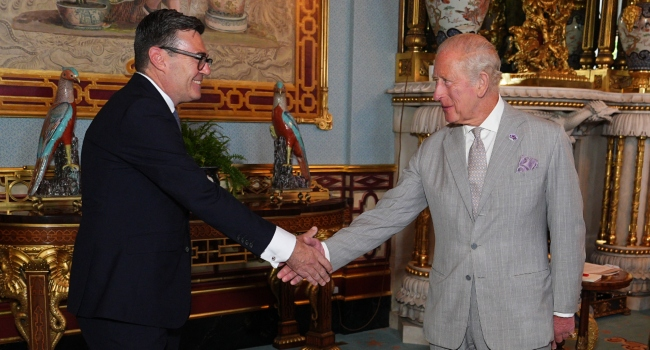
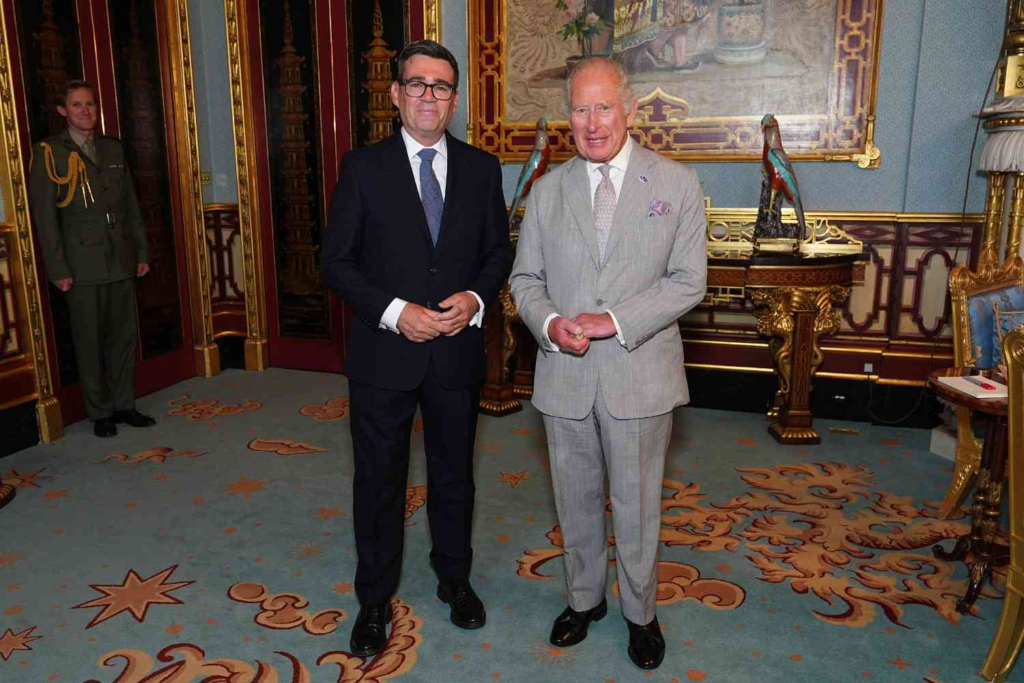
Andy Burnham officially became the United Kingdom’s new prime minister on Monday after meeting King Charles III at Buckingham Palace, where he was invited to form a new government following the resignation of Keir Starmer.
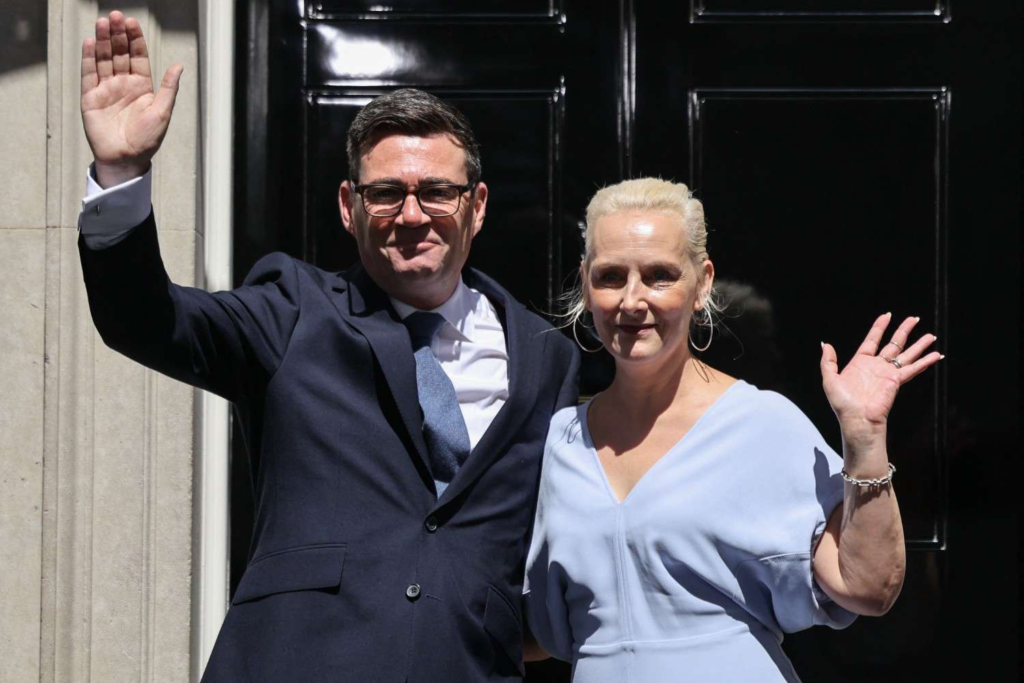
The formal transition of power saw Starmer tender his resignation to the King before Burnham accepted the monarch’s invitation to become Britain’s new leader, making him the country’s sixth prime minister in the last decade.
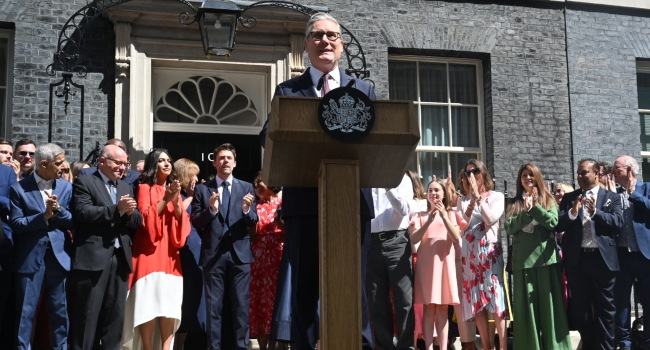
Earlier, Starmer delivered a farewell speech outside 10 Downing Street, defending his two years in office and expressing pride in his administration’s achievements.
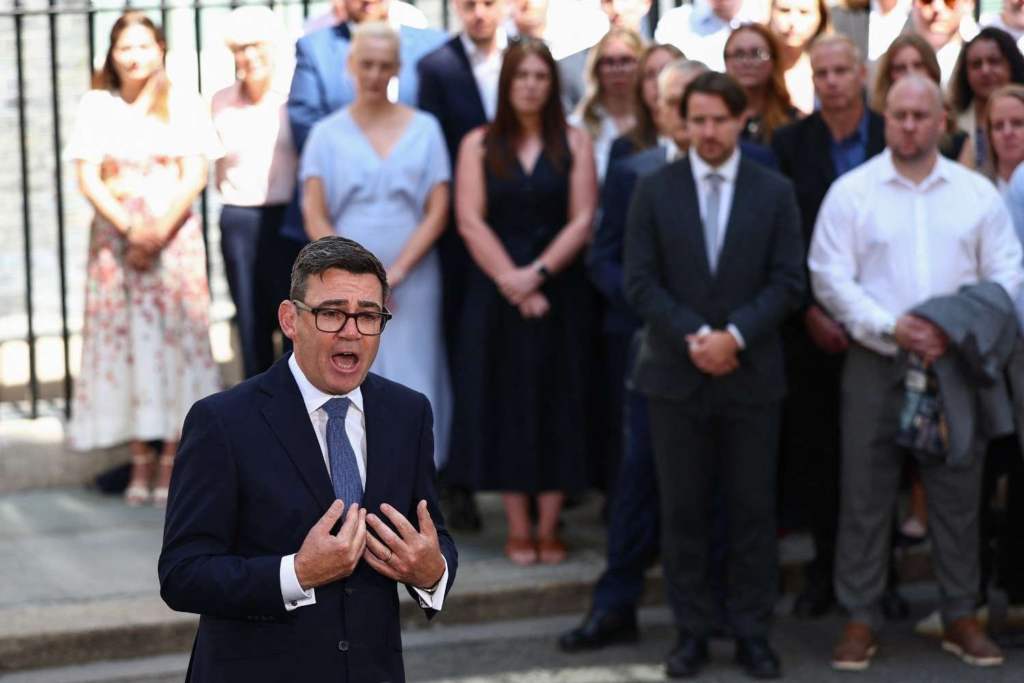
“I am confident that Britain is now stronger and fairer than it was two years ago,” Starmer said, adding that he was leaving office “with good grace” and proud of what his government had accomplished.
Burnham, 56, is expected to outline his government’s priorities in his first address as prime minister, focusing on restoring public confidence in government, easing the cost-of-living crisis, stimulating economic growth and expanding powers for regional communities.
He is also expected to announce key cabinet appointments, including the appointment of a new finance minister to replace Rachel Reeves.
Speaking in an interview ahead of assuming office, Burnham pledged to end years of political instability and adopt a different approach to governance.
“What we’ve been doing hasn’t been working. I am going to try and do things in a different way,” he said.
The former Mayor of Greater Manchester takes office at a challenging time, with Britain facing sluggish economic growth, rising government debt, increasing welfare costs and mounting pressure over illegal migration. His administration will also contend with volatile global energy prices and international uncertainties.
Burnham has promised to prioritise early investment, improve public services and introduce measures to ease financial pressures on households.
He succeeds Starmer, who stepped down after leading the Labour Party to victory in the 2024 general election but resigned following a series of political setbacks and policy reversals.
Burnham, who recently returned to Parliament after several years in local government, has vowed to reposition Labour ahead of the next general election expected in 2029.
His first major policy move came over the weekend when he scrapped the previous government’s nationwide digital identity scheme, saying the funds would instead be redirected toward addressing the cost-of-living crisis and other pressing national priorities.