The Democratic Republic of Congo’s Constitutional Court has approved a proposal that could pave the way for President Félix Tshisekedi to seek a third term if voters approve constitutional changes in a referendum.
Tshisekedi, 63, has been in power since 2019 and is constitutionally limited to two five-year terms, meaning he is expected to leave office at the end of 2028.


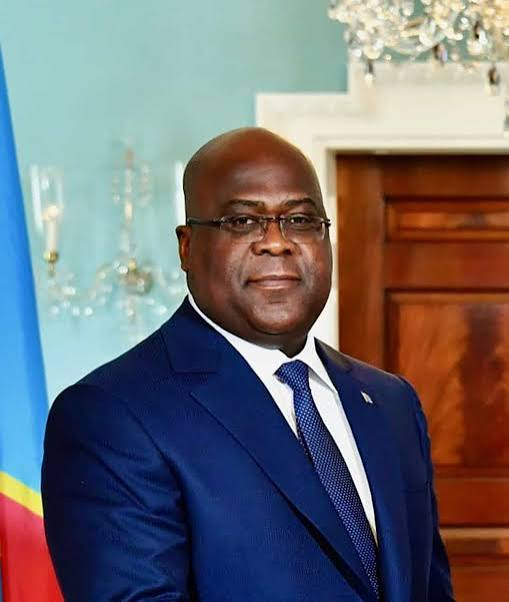
However, the president and his allies have increasingly called for a review of the constitution, arguing that it no longer reflects the needs and expectations of the Congolese people.
Speaking at a rare press conference in May, Tshisekedi said he had not sought a third term but added that he would accept another mandate if the people wanted him to continue in office.
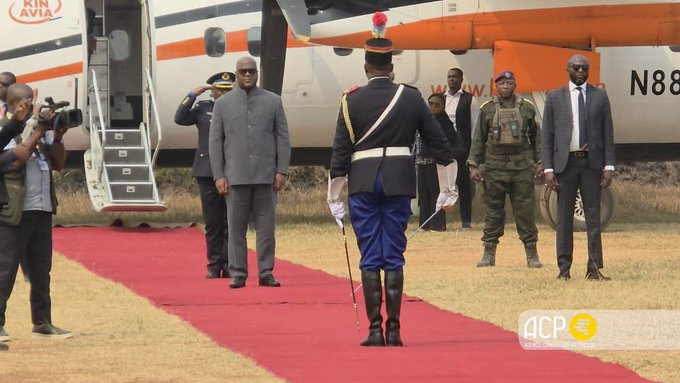
The proposal approved by the Constitutional Court would allow changes to provisions currently considered beyond amendment in cases of major dysfunction that paralyses state institutions.
Under the proposed process, the president would convene a panel of experts whose recommendations would be submitted to a constituent assembly. The assembly would then need to approve the changes by a three-fifths majority before they are put to a public vote.
Critics, however, have questioned whether the country’s judiciary and legislature can independently scrutinise the proposal, given concerns over their perceived lack of independence.
A new constitution could also potentially reset the number of presidential terms served by Tshisekedi, creating a possible legal pathway for him to remain in power beyond 2028.
The debate comes amid continued instability in eastern DR Congo, where the M23 rebel group has captured large areas of North and South Kivu. The conflict has fuelled nationalist sentiment and, according to analysts, strengthened Tshisekedi’s political position.
The country’s opposition remains divided and weakened following the 2023 presidential election, which Tshisekedi won by a wide margin. Opposition groups have since formed a coalition known as C64 to resist any attempt to amend the constitution.
Tensions escalated in June when an opposition protest in Kinshasa against the proposed referendum law descended into violence, leaving several people injured. The United Nations also condemned the reported death of at least one protester.
The opposition later postponed a planned nationwide action against the constitutional changes after the government announced plans for a national dialogue.
Opposition leaders have demanded that the dialogue begin before August 15, warning that failure to do so could trigger further protests as the country debates Tshisekedi’s political future.