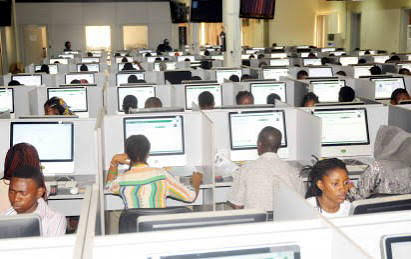
An education advocacy group is giving the West African Examinations Council 14 days to respond to allegations of irregularities in the 2026 Computer-Based WASSCE results, or face legal action.
The Initiative for School Excellence and Education Foundation said it has received complaints from a “substantial number” of candidates who wrote the 2026 CB-WASSCE. In a letter dated August 14, 2026 and sent to WAEC’s Nigeria National Office in Yaba, Lagos, the group raised concerns about how the computer-based exams were run, how responses were recorded and scored, and how final results were generated.


Through its lawyers at Zuriel Law Practice, the foundation said students are worried about the accuracy and reliability of their results. A major issue, it noted, is the absence of a clear way for candidates to independently check how their scores were calculated.
The group is not claiming every result is wrong. “Our Client is not alleging that every result released by WAEC is erroneous. Rather, the scale and nature of concerns warrant objective verification before these results are treated as beyond meaningful challenge,” the letter stated.
It pointed to WAEC’s previous admission of technical glitches in an earlier exam cycle, and said WAEC’s promise of stronger safeguards for 2026 means the council must now prove those systems worked.
The foundation is demanding that WAEC:
- Preserve all records related to the 2026 exam, including candidate response databases, session logs, audit trails, scoring data, system error reports, and backups
- Disclose the exam framework, including protocols for authentication, response storage, scoring, grading, and handling technical failures
- Grant candidates access to their electronic records: questions presented, answers given, changed responses, timing data, raw scores, and any manual interventions
- Set up a review process that lets affected students see their records, flag discrepancies, and get a human review independent of automated scoring. Where errors are found, it wants re-scoring and, if performance cannot be reliably reconstructed, a remedial exam option
Citing the Nigeria Data Protection Act, 2023, the group argued that candidates have a right to access their personal data and to safeguards against decisions made solely by automated systems.
The foundation also proposed an independent audit by education and IT experts to test whether the CB-WASSCE platform and result-processing system worked accurately. It said it withheld student identities because families fear backlash for challenging WAEC.
Alex Onyia, CEO of Educare, backed the call.
“There appears to be a serious problem with the recently released results that WAEC has so far refused to publicly acknowledge and address,” he said. “Real students are affected. Their admissions, opportunities and futures are at stake. If there is a glitch, admit it. Investigate it transparently. Fix it. And where students have been wrongly affected, correct their results.”
The foundation warned that if WAEC does not confirm record preservation, disclose the exam framework, and create a transparent challenge process within 14 days, it will head to court. The proposed suit would seek orders to compel record disclosure, establish a candidate review mechanism, and address any systemic defects that undermined the 2026 results.
The group said its goal is to protect public confidence in the exam and defend the educational interests of affected students.