Guinea-Bissau is preparing to rewrite the rules of its democracy.
On August 30, voters will decide on a new constitution that would hand sweeping authority to the president, just months after military officers seized control and weeks before national elections slated for December.


The referendum comes at a fragile moment for the West African nation, which has struggled with repeated political instability.
If approved, the charter would dismantle the current semi-parliamentary system and replace it with a model critics say leaves almost no checks on the head of state.
A referendum born from crisis
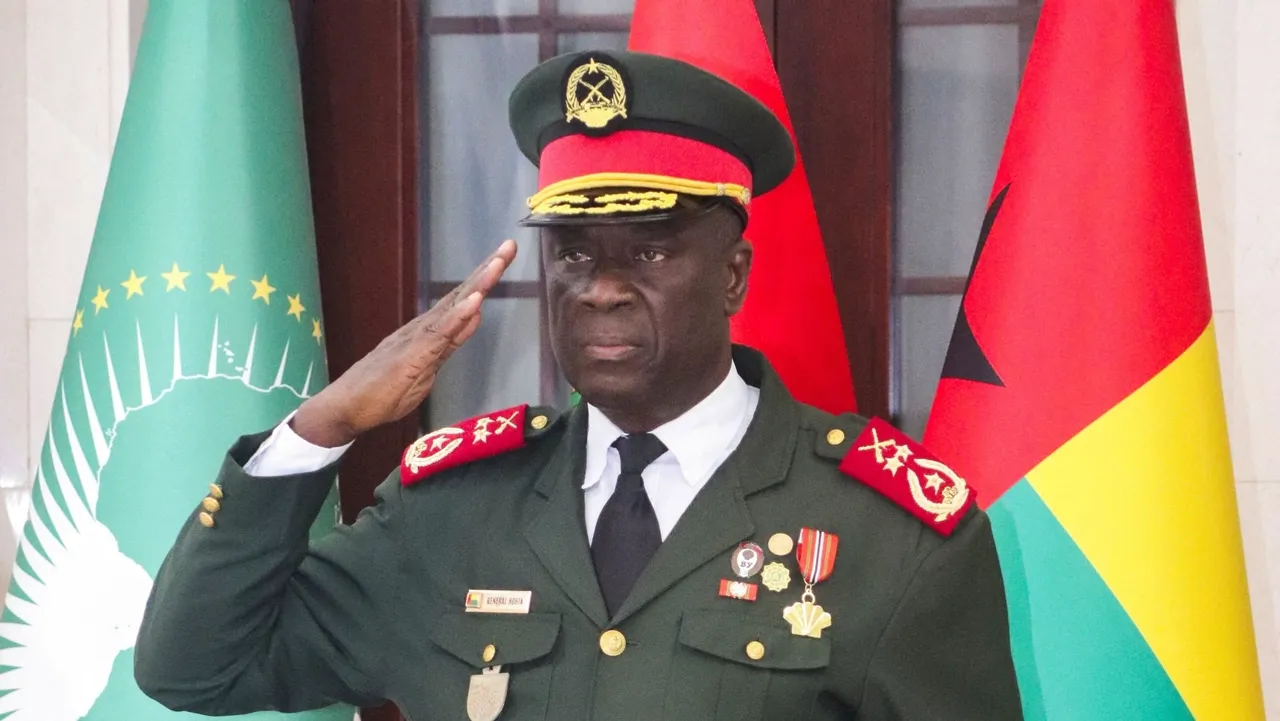
The vote was announced by the military-led government that took power in a coup last November. That intervention happened one day before the electoral commission was due to announce results of a presidential election, plunging the country deeper into uncertainty.
Now the junta is asking citizens to approve changes it argues will bring stability. The timing, however, means the new rules would govern the legislative and presidential elections planned for December.
What the new constitution changes
The draft, seen by Reuters, fundamentally shifts power away from parliament.
- Executive control: The president would gain the right to appoint and dismiss the prime minister and cabinet directly. Today, parliament names the prime minister, who then forms the government.
- Broader presidential authority: The president could create or abolish ministries, chair the Council of Ministers, dissolve parliament during a “grave political crisis,” and dismiss the government under certain conditions.
- Smaller legislature: Parliament would shrink from 102 seats to 65. Electoral constituencies would drop from 29 to 12.
- Tighter candidate rules: Presidential hopefuls would have to prove five years of permanent residence in Guinea-Bissau. The current constitution only requires citizenship by birth, minimum age of 35, and full civil and political rights.
Why critics are alarmed
Analysts say the constituency reduction could weaken parties with strong regional bases by forcing broader, less localized races.
Manuel Nobre de Barros, a professor at Lusofona University in Bissau, argues the reforms tip the balance decisively. “The changes give the president absolute power under the new constitution, with no political opposition,” he told Reuters.
Supporters of the draft say a stronger presidency is needed to break cycles of deadlock between the president and parliament that have defined Guinea-Bissau’s politics for years.
What happens next
If voters approve the constitution on August 30, it will take effect before the December elections, meaning the next president and parliament will operate under the new, more centralized system.