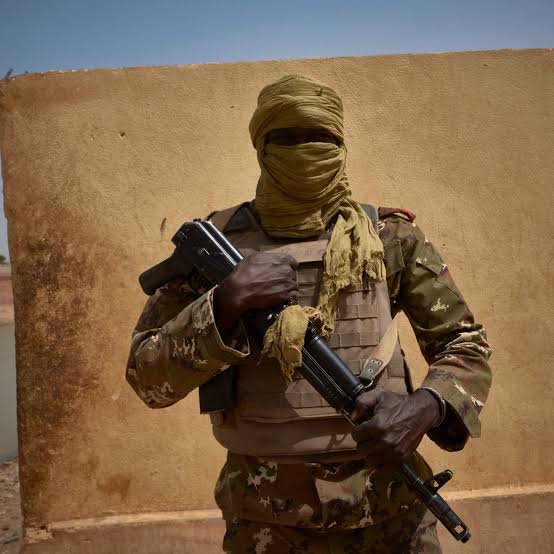
Nigeria’s kidnap-for-ransom trade has become a multi-million dollar industry, with gunmen collecting almost $5.8 million from victims in the 12 months to June, according to new research that warns the crisis is gutting schools and public confidence.
Security consultancy SBM Intelligence said 7,825 people were abducted between July 2025 and June 2026. That is a 66% jump from the previous year. At least 1,142 people were killed during the same period.
Confirmed ransom payments more than tripled to 7.78 billion naira, or about $5.79 million, the report said. SBM noted the figure is likely low because many families pay in secret and never report it.
The money is not spread evenly. A faction of Boko Haram operating in the northeast took about 90% of all recorded payments, roughly 7 billion naira. Most of that came from two mass abductions where more than 300 people were taken in each case. Still, the northwest recorded the highest number of separate incidents and victims.
The report landed as President Bola Tinubu ordered the military to rescue up to 600 civilians seized last week in north-central Niger State. A video released by the armed group on Aug 23 showed women, children and elderly people sitting together after an attack on a mosque, residents said.
Schools remain a prime target. In November, 315 pupils and staff were kidnapped from a school in Papiri, Niger State. SBM said the attack shows a tactic first made famous by Boko Haram’s 2014 raid in Chibok is resurging, with fallout for education, farming and trust in the state.
“The kidnap economy is now funding the very groups that pose the biggest threat to stability,” the report warned, adding that without a strategy that hits both the profits and the root causes, the crime will become entrenched.
Insecurity is expected to dominate campaigning ahead of Nigeria’s elections in January. Tinubu, who came to power three years ago promising to end the violence, has faced criticism that the latest wave shows little progress.
The figures were drawn from media reports, interviews and public records. The presidency and military had not commented on the findings as of Wednesday evening.