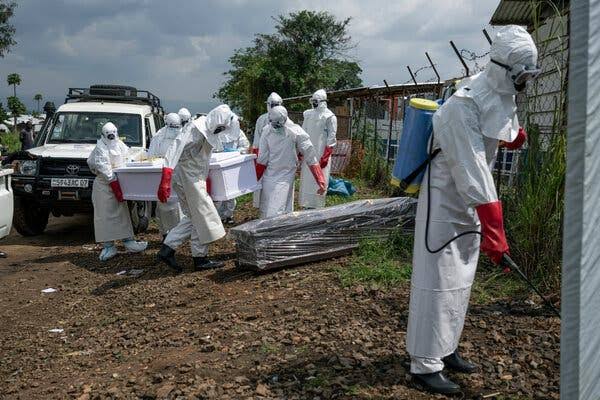
The death toll from the Ebola outbreak in the Democratic Republic of Congo has surpassed 3,000, according to government figures released on Wednesday, September 2, 2026.
Health authorities reported that 3,007 people have now died from the outbreak, while confirmed cases have reached 6,186. The outbreak, caused by the Bundibugyo strain of the Ebola virus, is now the largest and deadliest Ebola outbreak recorded in the Democratic Republic of Congo.
The outbreak was officially declared in Ituri Province on May 15 and has since spread to six provinces in the northeastern part of the country. Health authorities, the World Health Organization and humanitarian organisations have been working to contain the disease, but insecurity, weak disease surveillance and resistance within some communities have made the response more difficult.
The World Health Organization estimates that about 60 percent of deaths are occurring outside treatment centres, making early detection and treatment particularly challenging.
The Bundibugyo strain currently has no approved vaccine or specific treatment. However, several vaccine candidates are under development. Congolese authorities have also begun vaccinating frontline health workers with Merck’s Ervebo vaccine, which is approved for another Ebola strain and is believed to provide some cross-protection.
The latest figures make the outbreak a major public-health emergency in the country and raise concerns about further spread if containment efforts are not strengthened.