Zimbabwe’s Senate on Wednesday overwhelmingly approved a set of controversial constitutional amendments that could keep President Emmerson Mnangagwa in office until 2030, marking a major step in efforts to extend his tenure.
The upper chamber voted 75 in favour and four against, according to Senate President Mabel Chinomona, following earlier approval by the National Assembly, where 216 lawmakers supported the bill against 42 who opposed it.


The proposed amendments, described by critics as a “constitutional coup,” are now set to return to the lower house for technical adjustments before being sent to President Mnangagwa for assent.
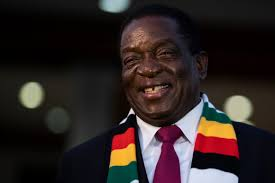
The changes include extending presidential and parliamentary terms from five to seven years, effectively allowing Mnangagwa’s final constitutionally permitted term to run until 2030. Another key provision would allow parliament, rather than voters, to appoint the president, replacing direct presidential elections introduced in 1987.
The ruling Zanu-PF party, which has governed Zimbabwe since independence in 1980, holds a commanding majority in parliament and has driven the reforms forward. Mnangagwa, 83, has led the country since a 2017 military-backed transition that removed long-time leader Robert Mugabe.
He was elected in 2018 and again in 2023 for five-year terms.
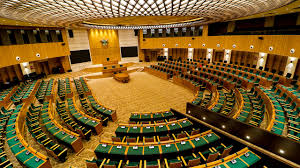
Opposition parties and civil society groups have condemned the amendments, arguing they entrench ruling party dominance and weaken democratic accountability. Critics also say the changes violate constitutional provisions and should be subjected to a national referendum.
Opposition figures have vowed to challenge the legislation in court, though the Constitutional Court recently dismissed an earlier challenge on procedural grounds.
Human rights organisations have also raised concerns, alleging that supporters of the amendments have faced intimidation, harassment, and violence.
The government maintains that the reforms followed public consultations and reflect broad national support, while insisting the changes are aimed at ensuring political stability and continuity of development programmes.