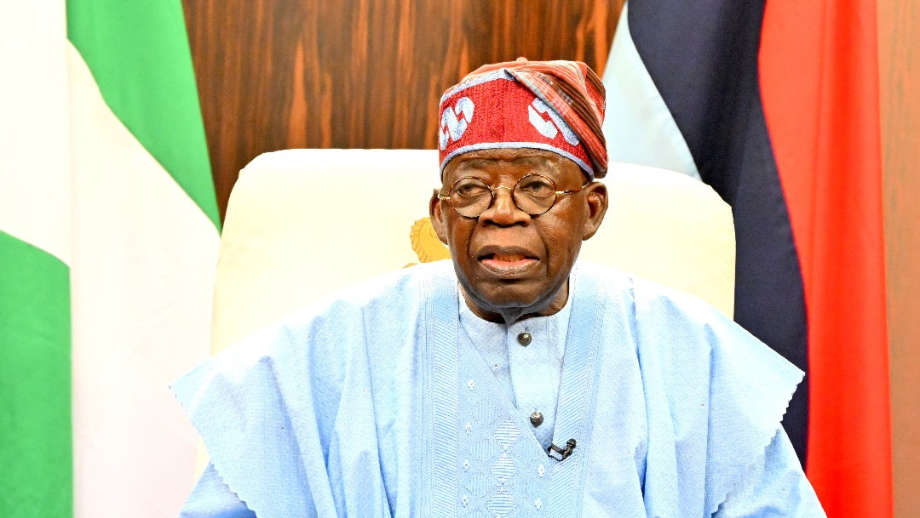
President Bola Tinubu has inaugurated the Presidential Working Group on the National Policing Bill to develop the legal framework for the implementation of state police across Nigeria.
The President, represented by his Chief of Staff, Femi Gbajabiamila, inaugurated the committee on Tuesday at the Presidential Villa in Abuja following the passage of the Constitution Alteration (State Police) Bill, 2026, by the National Assembly.

Tinubu said the proposed National Policing Bill would provide the legal framework for implementing the new dual policing structure established by the constitutional amendment, comprising the Federal Police Service and 36 State Police Services.
According to him, the bill will outline minimum policing standards, state readiness requirements, federal and state coordination mechanisms, accountability measures, human rights safeguards and funding arrangements.
The President explained that the working group was constituted to prepare an implementation-ready draft bill for transmission to the National Assembly without waiting for the constitutional amendment process to be completed.
Gbajabiamila will chair the committee, which includes the Attorney-General of the Federation, the President of the Nigerian Bar Association, the Chairman of the Nigeria Governors’ Forum, the National Security Adviser, the Inspector-General of Police and the Chairman of the Nigeria Governors’ Forum Committee on State Police.
Speaking on behalf of state governors, Ogun State Governor Dapo Abiodun pledged their support for the initiative, assuring that governors would work to secure speedy ratification of the constitutional amendment by their respective state Houses of Assembly.
Abiodun described state policing as a response to long-standing calls for community-based security, adding that the reform could increase Nigeria’s policing strength by nearly 200,000 personnel if fully implemented.
Attorney-General of the Federation Lateef Fagbemi described the initiative as timely in view of the country’s security challenges and urged state governments to fast-track the ratification process.
The President of the Nigerian Bar Association, Afam Osigwe, also backed the move, saying Nigeria could no longer rely solely on a centralised policing system. He, however, stressed the need for strong legal safeguards to ensure accountability and prevent abuse of state police powers.