Nigeria recorded a modest slowdown in inflation last month as the National Bureau of Statistics reported the headline rate dropped to 15.43% in July 2026 from 15.91% in June, a decrease of 0.48 percentage points, with month-on-month inflation also easing to 1.57% compared to 1.66% previously.
The bureau explained that this means the average price level increased at a slower pace than in June.


However, food inflation moved in the opposite direction, rising to 20.31% year-on-year in July, down from 26.20% in July 2025 but still elevated, and climbing sharply to 5.56% month-on-month from 3.75% in June.
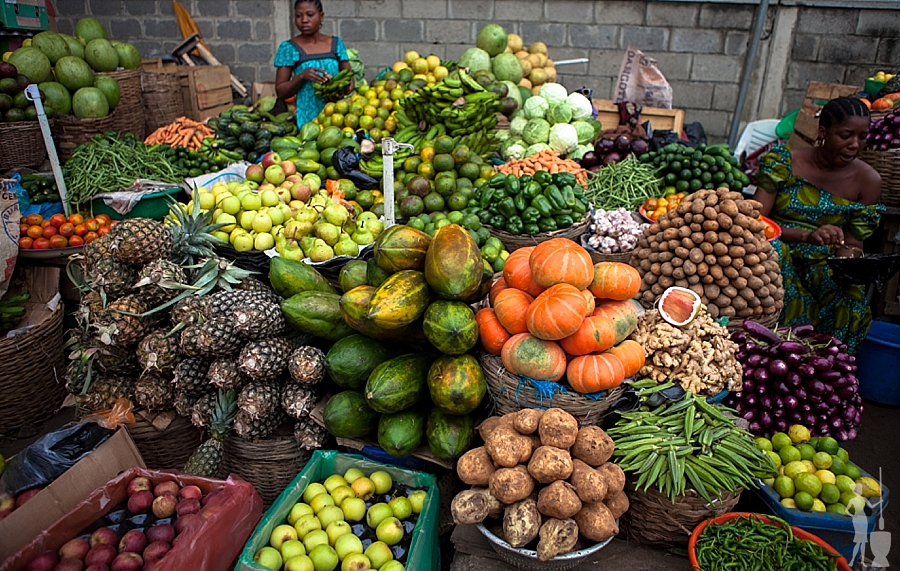
NBS attributed the food price pressure to increases in rice, water yam, plantain, crayfish, fresh pepper, onions, carrots, tomatoes, garri, beef, eggs, guinea corn, ginger and plantain flour.
State-level data showed the biggest year-on-year food inflation in Adamawa at 51.36%, Katsina at 30.84% and Zamfara at 30.65%, while Borno recorded -0.31%, Nasarawa 6.88% and Kebbi 12.50%.
On a monthly basis, Adamawa led again with 17.02%, followed by Lagos at 13.48% and Borno at 13.26%, with declines recorded in Jigawa at -3.68%, Kebbi at -3.67% and Bauchi at -1.85%.