Kenyan security forces have shut down all major roads into central Nairobi ahead of planned nationwide protests on Monday, severely restricting movement and disrupting daily life in the capital.
Dubbed Saba Saba—Swahili for “7 July”—the protests commemorate the historic 1990 movement that led to the restoration of multiparty democracy in Kenya. This year marks the 35th anniversary of the event and comes amid growing unrest driven largely by Kenya’s youth, known as Gen Z, who are calling for greater accountability, good governance, and an end to police brutality.


In anticipation of the demonstrations, roads leading to key government institutions — including State House and the Kenyan parliament — have been sealed off with razor wire. A heavy police and paramilitary presence has turned Nairobi’s city centre into a virtual ghost town, with shops shuttered, businesses closed, and residents warned to stay away. Several schools also advised students to remain at home.
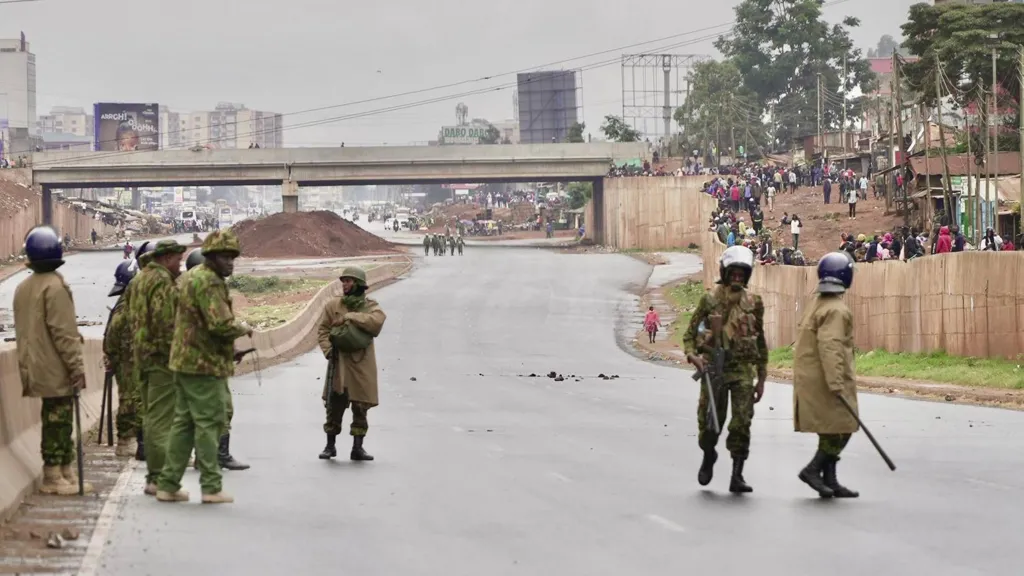
Long-distance buses and early-morning commuters were stopped at police checkpoints located as far as 13 kilometres from the city centre, leaving hundreds of travellers stranded. Only a handful of vehicles were being allowed to pass.
“We started travelling at 8:30pm last night… We want the government to engage in a dialogue with Gen Zs so all this can come to an end,” said Humphrey Gumbishi, a stranded bus driver.
In a statement issued late Sunday, police defended their actions, stating it was their constitutional duty to protect lives and property and to maintain public order.
Tensions have been heightened by recent episodes of violence during protests. On 25 June, at least 19 people were killed and widespread looting occurred during a day of anti-government demonstrations. Civil society groups have accused the police of colluding with armed gangs—claims the police have denied.
Just a day before the latest protest, an armed group stormed the Nairobi headquarters of the Kenya Human Rights Commission (KHRC). The NGO had been hosting a women-led press conference demanding an end to state violence ahead of the Saba Saba demonstrations.
According to KHRC spokesperson Ernest Cornel, the attackers—numbering around 25 and arriving on motorbikes—shouted, “There will be no protest today.”
“They were carrying stones and clubs. They stole laptops, phones, and valuables from journalists,” Cornel told the BBC.
The Saba Saba anniversary is a symbolic and powerful moment in Kenya’s democratic history. The original 1990 protests saw brutal repression under then-President Daniel arap Moi, with dozens arrested and at least 20 reportedly killed. Today, it continues to serve as a rallying cry for civil resistance and democratic rights.
As roads remain closed and tensions rise, calls for dialogue between the government and protesting youth are growing louder, with many urging a peaceful resolution to the ongoing unrest.