The $20bn Dangote Petroleum Refinery is at the centre of a major labour dispute following an order by the Petroleum and Natural Gas Senior Staff Association of Nigeria (PENGASSAN) directing its members across seven oil and gas companies to halt all crude oil and gas supplies to the facility.
The directive came after the alleged dismissal of 800 workers, which the union claimed were laid off for joining PENGASSAN. The association accused the refinery of violating labour rights, replacing the affected Nigerians with expatriates, and engaging in wage discrimination. According to the union, while Nigerian engineers earn about ₦385,000 monthly, their Indian counterparts are paid over $5,000 (approximately ₦7.5m).


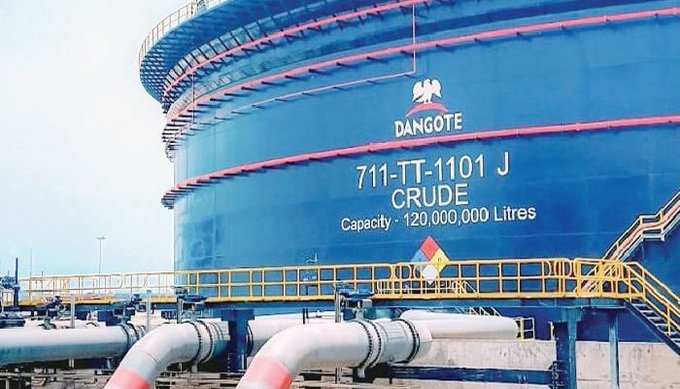
In a memo signed by its General Secretary, Lumumba Okugbawa, PENGASSAN ordered members at TotalEnergies, Chevron, Seplat, Shell Nigeria Gas, Oando, Renaissance, and the Nigerian Gas Infrastructure Company to stop all gas and crude supplies to Dangote Refinery. It also directed loading operations for vessels bound for the refinery to be suspended, vowing that the strike would escalate if the sacked workers were not reinstated.
Union sources told reporters that a nationwide strike was under consideration should the refinery fail to reverse what they described as “barbaric action.” The Nigeria Labour Congress (NLC) and Trade Union Congress (TUC) are said to be monitoring developments.
In its response, Dangote Refinery described the shutdown directive as “criminal, lawless, and an act of economic sabotage.”
The company warned that halting crude and gas supply would disrupt the availability of essential petroleum products such as petrol, diesel, aviation fuel, kerosene, and cooking gas, inflicting hardship on Nigerians.
“Absolutely no law gives PENGASSAN the right to cut off supplies to the refinery. This is a brazen display of criminality and mob action that threatens national stability,” the refinery said in a statement.
Dangote further argued that the refinery is a strategic national asset and one of the country’s largest revenue contributors. It urged the Federal Government and Nigerians to resist the union’s directive, warning that the strike would discourage foreign investment and create widespread economic hardship.
Amid the crisis, the refinery also issued a notice to customers on Friday evening announcing it would suspend the acceptance of naira payments for fuel starting September 28, 2025.
The development, coming on the heels of the labour standoff, has heightened concerns about potential disruptions in fuel supply across the country.