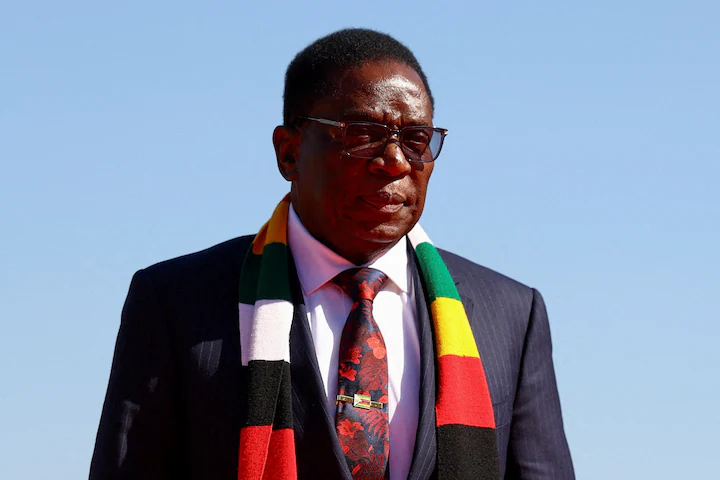
Zimbabwe’s National Assembly approved a constitutional amendment Thursday that would lengthen presidential terms from five years to seven, a move that could keep President Emmerson Mnangagwa in office until 2030.
The bill passed with 216 votes, comfortably above the two-thirds majority of 187 required. It now heads to the Senate, where Mnangagwa’s ZANU-PF party holds sway through elected lawmakers, traditional chiefs, and other allied members. Approval there is widely expected.


Mnangagwa, 83, took power in 2017 after a military-backed coup ended Robert Mugabe’s 37-year rule. His current second and final term is set to expire in 2028. Hints that he wanted more time surfaced two years ago, when ZANU-PF supporters began chanting at rallies that he needed “more time to finish the work.” The party formally backed the term extension last year, and cabinet endorsed it in February.
Supporters argue the change will improve accountability and bring political stability. Critics call it a maneuver to extend Mnangagwa’s rule. The president, nicknamed “the crocodile” for his reputation as cunning and ruthless, served as Mugabe’s vice president before their split ahead of the 2017 coup.
Legal challenges from activists and liberation-war veterans were dismissed this week on procedural grounds.
Zimbabwe joins a pattern seen elsewhere in Africa. Leaders in countries like Cameroon and Uganda have also amended constitutions to remain in power longer, a trend critics note puts some of the continent’s oldest leaders in charge of its youngest populations.