Kenyan authorities on Thursday sealed off major roads leading into Nairobi’s central business district ahead of planned nationwide protests marking the second anniversary of the Gen Z-led anti-government demonstrations that rocked the country in 2024.
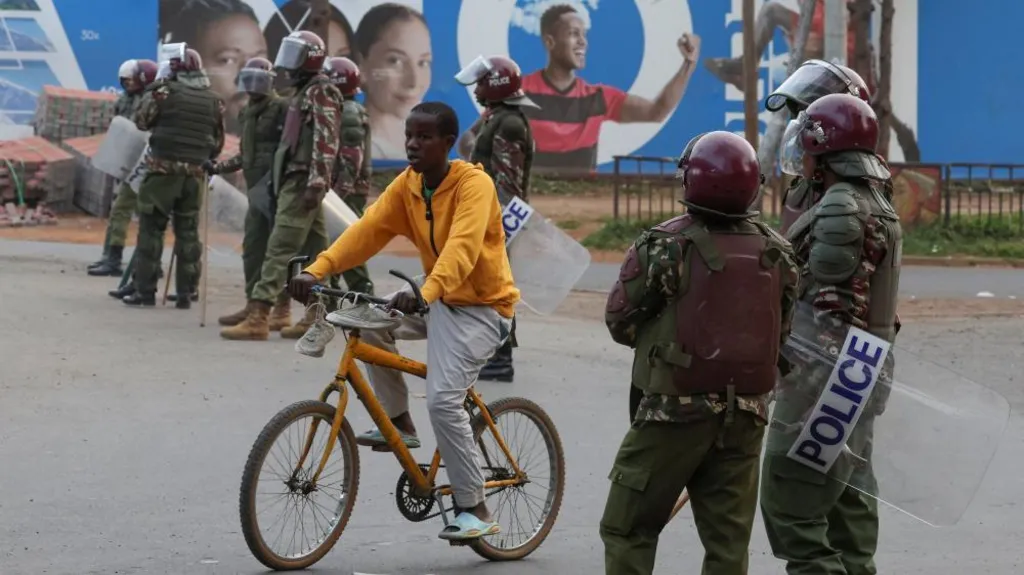
The protests are being organised to honour victims of last year’s anti-tax demonstrations, during which more than 80 people were reportedly killed and dozens injured during clashes between protesters and security forces.


Thousands of Kenyans had taken to the streets in June 2024 to oppose proposed tax increases contained in the government’s Finance Bill. The demonstrations culminated in the storming of parliament, forcing the government to withdraw the controversial legislation.
Ahead of Thursday’s anniversary protests, police mounted roadblocks on major routes, including Thika Super Highway, Mombasa Road, Nairobi-Namanga Highway, Waiyaki Way, Jogoo Road, Kenyatta Avenue and other strategic entry points into the city centre.
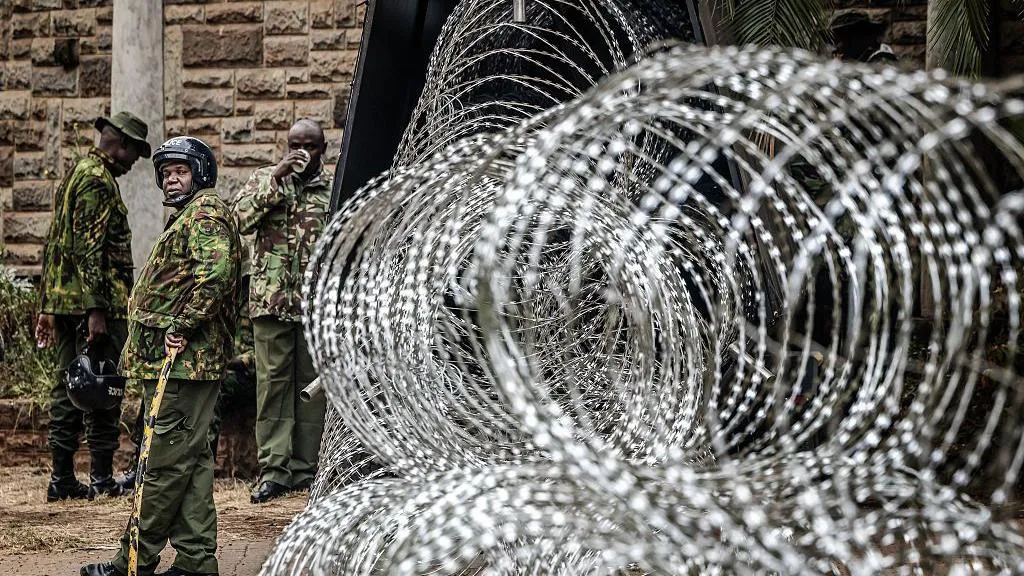
The restrictions left many commuters stranded, while several businesses, schools and offices remained closed amid fears of unrest.
The demonstrations, largely coordinated through social media, are expected to take place in Nairobi, Mombasa and several other towns across the country.
Security agencies have increased surveillance and deployed additional personnel to key locations, with authorities insisting that the measures are aimed at maintaining law and order during the protests.
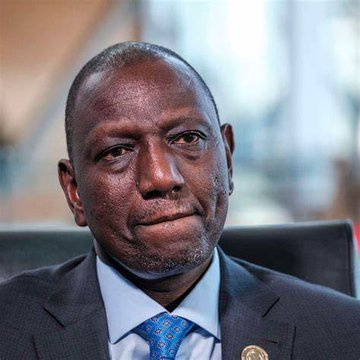
President William Ruto has acknowledged citizens’ constitutional right to peaceful protest but warned against violence, vandalism and destruction of public property.
“Anyone mobilised to destroy property or cause chaos will not be tolerated,” the president said.
Several civil society organisations, human rights groups and political figures have voiced support for peaceful demonstrations, describing them as a legitimate form of democratic expression.
However, former Deputy President Rigathi Gachagua urged young people to avoid street protests, warning that the demonstrations could be infiltrated by violent elements. He instead called on citizens to remain indoors as a symbolic act of protest.
The planned demonstrations come amid growing public dissatisfaction with the government as the country moves closer to the 2027 general elections.
Last week, President Ruto announced a compensation fund of nearly $15 million for victims of protest-related human rights abuses recorded between 2017 and 2025. While the government described the initiative as a step towards justice and reconciliation, several human rights organisations criticised the programme, citing concerns over transparency, compensation amounts and the exclusion of some victims.
Despite mounting criticism, President Ruto maintains that his administration has delivered on key campaign promises and remains committed to addressing the country’s economic and governance challenges.