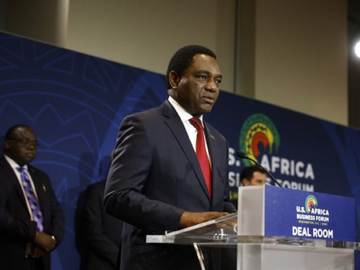
Zambians began voting on Thursday in presidential, parliamentary and local government elections, with President Hakainde Hichilema seeking a second term after five years in office marked by economic reforms and debt restructuring.
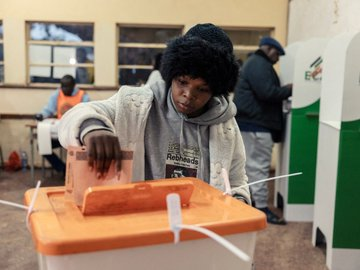
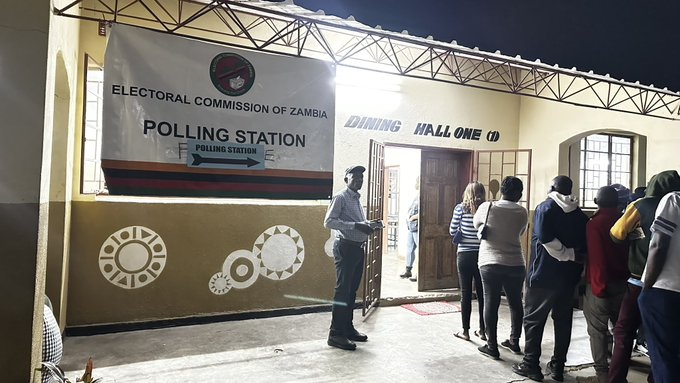
Polling stations opened at 6 a.m. local time and are scheduled to close at 6 p.m., with the results expected on Monday.


Hichilema, who has led the southern African copper-producing nation since 2021, is campaigning on his economic record, including Zambia’s progress in restructuring its debt after the country defaulted on its sovereign obligations in 2020.
His main challenger is Brian Mundubile, an experienced parliamentarian and first-time presidential candidate who is leading an opposition alliance supported by backers of former President Edgar Lungu.
Despite improvements in Zambia’s economic indicators, the high cost of living remains a major concern for many voters and could prove to be a key factor in the election.
Some voters have praised Hichilema’s administration for restoring meal allowances for university students.
“I voted for HH because he cares about us,” said 29-year-old University of Zambia student James Phiri, referring to Hichilema by his popular initials.
However, others said economic improvements had not translated into better living conditions.
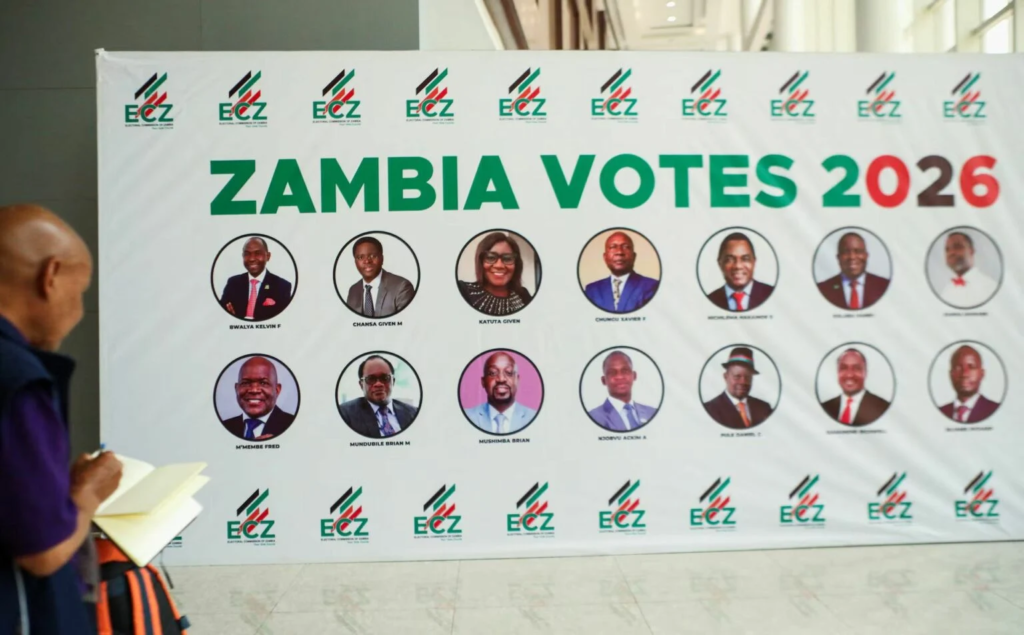
“We are tired of stories about economic progress,” said 47-year-old welder Samuel Chitendwe, who said he voted for Mundubile.
Political science lecturer Lee Habasonda said the opposition was likely to perform strongly in Lusaka and Copperbelt Province, which have large numbers of registered voters, while the ruling party could have an advantage in rural areas.
The election has also been preceded by allegations of political repression, although the government has denied the accusations.
Freedom House, a US-based non-profit organisation, rates Zambia as “partly free” and has raised concerns about legal and practical obstacles facing opposition parties.
Under Zambia’s electoral system, a presidential candidate must secure more than 50 per cent of the votes cast to win in the first round.
If no candidate reaches the required threshold, a run-off between the two leading candidates must be held within 37 days of the initial election.
With millions of Zambians casting their ballots across the country, the election is expected to determine whether Hichilema will secure another term or whether the opposition will produce a change in leadership.