Islamic clerics in Lagos have warned Nigerians against participating in protests they do not fully understand, cautioning that demonstrations could easily be hijacked by miscreants and turn violent.
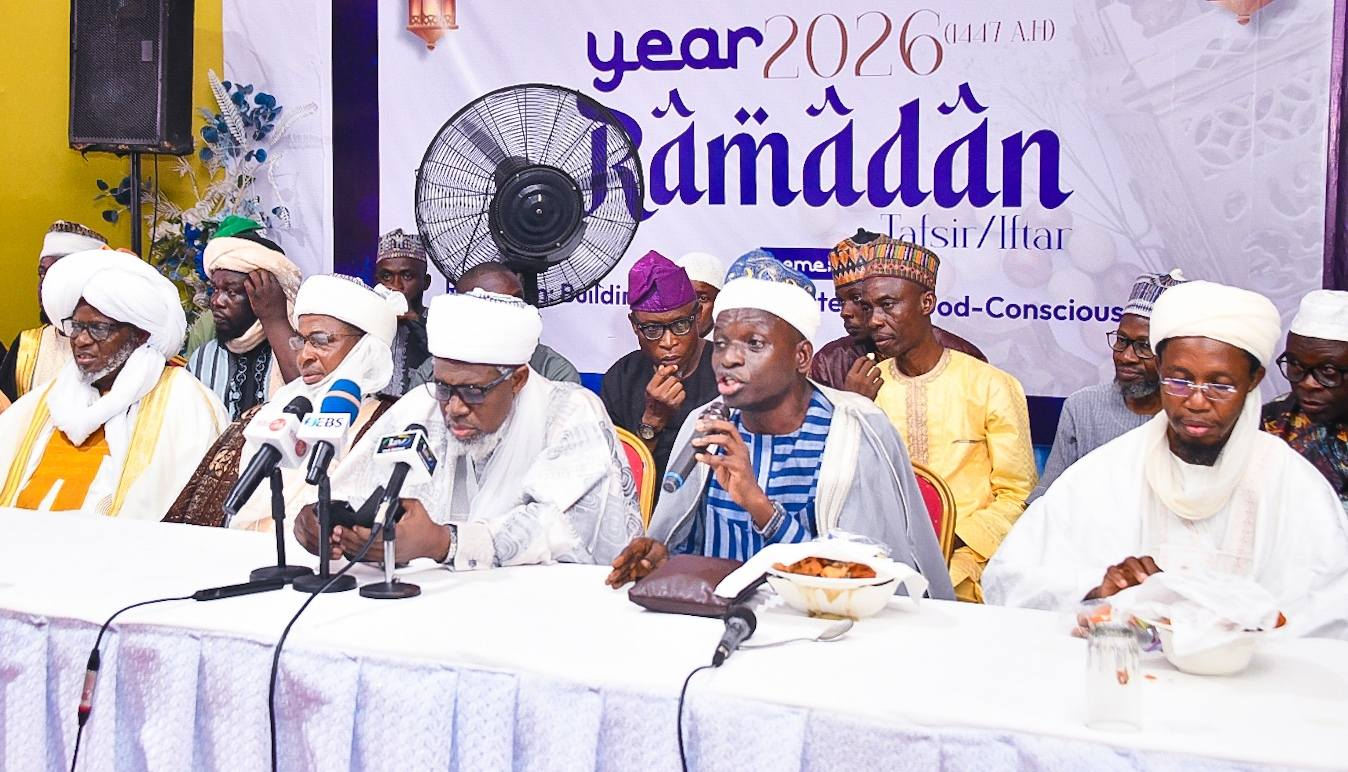
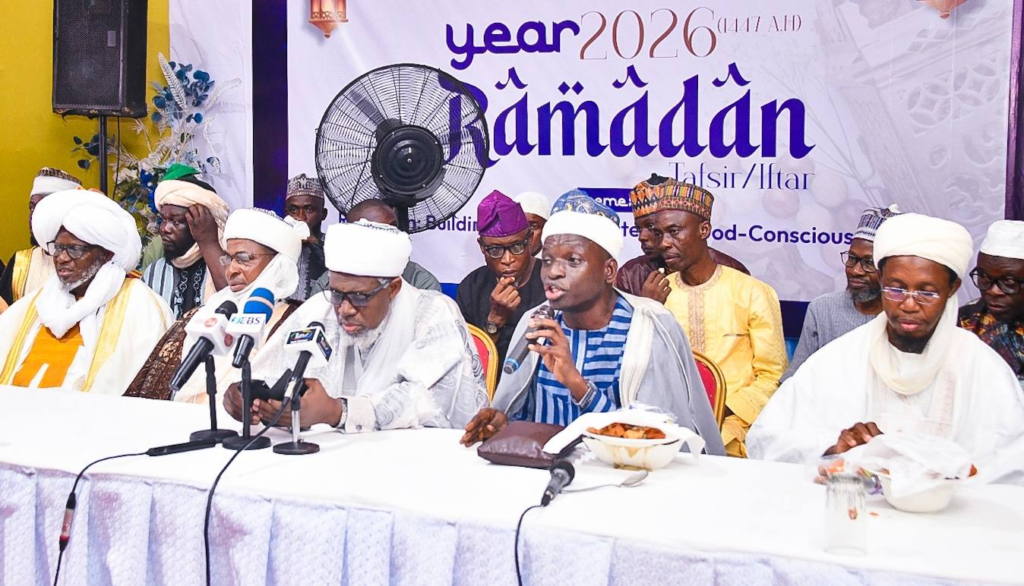
The warning was issued by the League of Chief Imams during the 2026 Ramadan Tafsir/Iftar programme held at Lagos House, Ikeja. The clerics spoke through the National Missioner and Chief Imam of the Ansar-Ud-Deen Society of Nigeria, Sheikh Abdulrahman Ahmad.

According to a statement released by the Lagos State Government on Wednesday, the clerics particularly addressed Nigerians who recently staged protests in solidarity with Iran following the killing of its Supreme Leader, Ayatollah Ali Khamenei, during United States–Israel strikes. They warned that Nigeria should not be drawn into conflicts that do not directly concern the country.
Members of the South-West chapter of the Islamic Movement of Nigeria had on Monday held protests in Lagos over the killing of the Iranian leader, raising concerns among religious leaders that such demonstrations could degenerate into violence.
Ahmad, who addressed government officials, Islamic scholars and Muslim faithful at the gathering, urged citizens to exercise caution.
He reminded Nigerians of the October 2020 EndSARS protests, which began as a peaceful campaign against police brutality but were later hijacked by hoodlums who destroyed public and private property across several states, particularly Lagos. The destruction caused losses worth billions of naira, with many communities still recovering from the impact.
The cleric warned that similar unrest triggered by a foreign conflict could have devastating consequences for the country.
While expressing sympathy for victims of violence in the Middle East, Ahmad stressed that Nigerians should avoid actions that could worsen tensions at home. He urged citizens to pursue peace and avoid contributing to instability.
Drawing from Islamic teachings, he cautioned against “fitnah” — civil strife or chaos — explaining that once such unrest begins, it affects both the guilty and the innocent. According to him, the ongoing conflict in the Middle East is an example of such turmoil and calls for prayers rather than protests.
Ahmad also warned that the crisis in the Middle East could have economic consequences for Nigeria, particularly through disruptions in global oil supply chains. He advised Nigerians to prepare for a possible rise in petrol prices, suggesting that the cost could climb as high as ₦2,000 per litre if the conflict persists.
The League of Chief Imams also urged religious leaders to use their platforms responsibly during the Ramadan and Lent seasons by preaching messages that promote peace and unity rather than stirring tension or confusion.
They called on Nigerians to focus on prayers for the victims of the Middle East conflict and for peace and stability within the country.