South Sudan has announced plans to hold its long-delayed first general election on December 22, raising hopes for a democratic transition despite ongoing political tensions and security concerns.
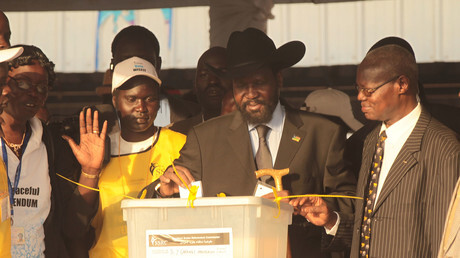
The proposed vote would mark the first time citizens of the world’s youngest nation have elected their leaders since gaining independence in 2011. President Salva Kiir has remained in office since independence without facing a national election.

South Sudan’s election has been postponed several times over the years. The first planned vote in 2015 was shelved following the outbreak of a civil war, while the 2018 peace agreement that established a unity government between Kiir and opposition leader Riek Machar envisioned elections in 2022. However, the poll was again delayed amid political disagreements and logistical challenges.
The political situation remains fragile. Machar, who served as vice-president under the unity arrangement, was removed from office and later arrested. He faces charges including murder, treason and crimes against humanity, allegations he has denied. He has been under house arrest in the capital, Juba, since March last year.
The United Nations and other international observers have warned that continued violence and political instability could push the country back into full-scale conflict.
Speaking on the election timetable, Electoral Commission Chairman Abednego Akok Kacuol acknowledged that legal reforms and inadequate funding remain major obstacles to preparations.
“The political will is not ours; it lies with the government,” Kacuol said, noting that the commission would continue planning while adjusting to a realistic electoral timeline if funding delays persist.
The presidency, however, insisted that President Kiir remains committed to implementing the 2018 peace agreement and ensuring that the country stays on course for peaceful and democratic elections.
According to a statement from the presidency, preparations for dialogue among political parties are ongoing and are expected to help build consensus on key electoral issues.
Despite the assurances, opposition groups and civil society organisations have expressed concerns over the country’s readiness for elections, citing security challenges and restrictions on political freedoms.
The Sudan People’s Liberation Movement-in-Opposition (SPLM-IO), Machar’s party, warned that conducting elections under the current conditions could be risky.
Nathaniel Pierino, acting chairperson of the group, described election preparations as “dangerous” and warned that electoral activities in areas under the movement’s control could face resistance.
With less than six months until the proposed election date, uncertainty remains over whether South Sudan can overcome its political, financial and security challenges to hold its first democratic vote.