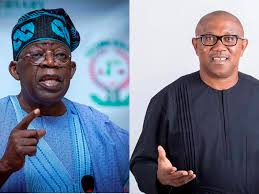
The Presidency has dismissed calls by presidential candidate of the Nigerian Democratic Congress (NDC), Peter Obi, for President Bola Ahmed Tinubu to resign, describing the demand as “childish and hollow” and politically motivated.
In a statement on Monday, Special Adviser to the President on Information and Strategy, Bayo Onanuga, faulted Obi’s comparison between Nigeria’s presidential system and the United Kingdom’s parliamentary system, following the resignation of British Prime Minister Keir Starmer.


Onanuga said the comparison was flawed, noting that Nigeria operates a fixed-term presidential system, unlike the UK where the prime minister can step down based on parliamentary dynamics.
He described Obi’s comments as a “distorted interpretation of Nigeria’s political realities,” insisting that the administration remained focused on governance and reforms.
The presidential aide also argued that recent electoral victories recorded by the ruling All Progressives Congress (APC) reflected continued public support for President Tinubu’s leadership.
He urged Obi to wait for the 2027 general election if he wished to test his popularity at the ballot box, adding that public commentary on social media was not a basis for removing an elected president.
On security, Onanuga said the administration had recorded progress through intensified military operations, including the rescue of kidnapped victims and the neutralisation of terrorist elements, while acknowledging that challenges remained.
He also criticised Obi’s tenure as governor of Anambra State, questioning his record on security and governance, and rejecting his authority to assess national security performance.
On the economy, the Presidency defended Tinubu’s reforms, citing improvements in GDP growth, foreign reserves, oil production, investor confidence and revenue generation as evidence of progress.
It also highlighted ongoing infrastructure projects, including major highways and energy sector reforms, alongside initiatives such as student loans aimed at expanding access to education.
While acknowledging economic hardship, the statement attributed some of the challenges to global economic conditions and previous structural issues.
Onanuga maintained that the call for resignation was unfounded, insisting that the President remained committed to delivering long-term reforms for national development.